
Syed Shayan Real Estate Archive
Syed Shayan Real Estate Archive
From Real Estate History
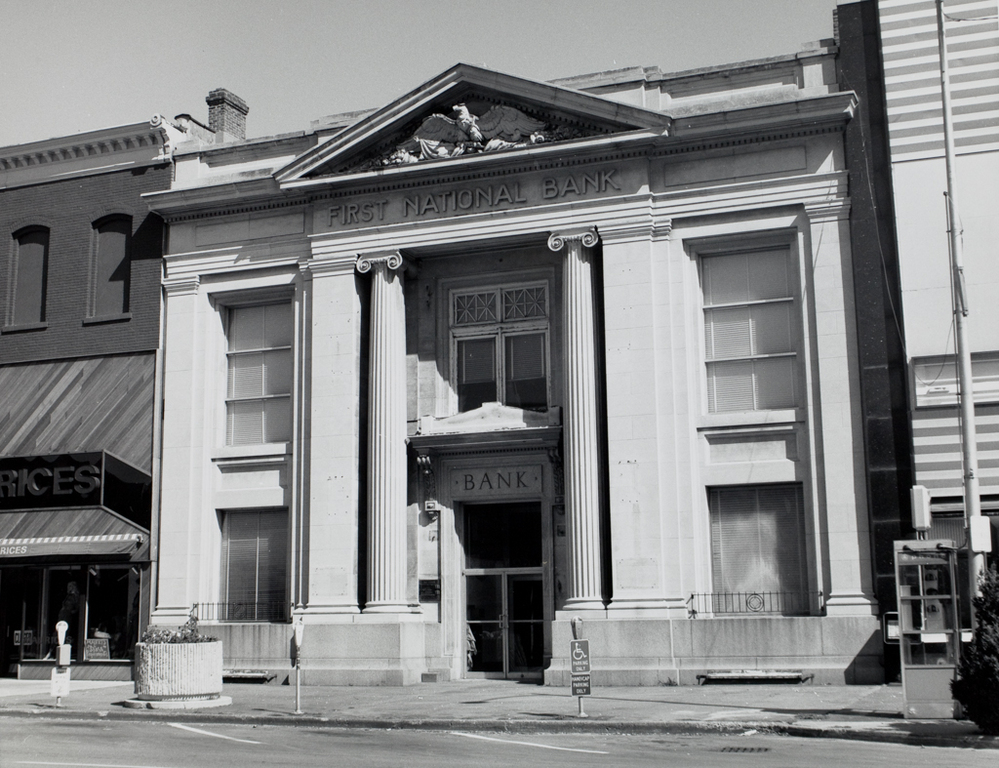
On October 20, 1901, the first comprehensive national building code standards were established, creating uniform construction regulations across the country. This landmark legislation addressed fire safety, structural integrity, and sanitation requirements for all new constructions. The code mandated minimum room dimensions, ventilation standards, fire escape provisions, and foundation requirements that fundamentally improved building safety and living conditions. This regulatory framework emerged following several catastrophic building collapses and major urban fires that had exposed the dangers of unregulated construction practices. The establishment of national standards marked a turning point in construction quality and urban safety, influencing building regulations worldwide.
▪ Reference(s):
20 اکتوبر 1901 کو ملک بھر میں تعمیرات کے لیے پہلی جامع قومی بلڈنگ کوڈ کے معیارات قائم کیے گئے، جنہوں نے تعمیراتی قوانین کو یکساں شکل دی۔ اس تاریخی قانون سازی میں آگ سے تحفظ، عمارتوں کی مضبوطی اور صفائی ستھرائی کے تقاضوں کو واضح طور پر متعین کیا گیا۔ نئے بلڈنگ کوڈ کے تحت کم سے کم کمرے کے سائز، ہواداری کے اصول، فائر ایمرجنسی راستوں اور بنیادوں کی تعمیر کے معیارات لازمی قرار دیے گئے، جس سے رہائشی معیار اور عمارات کی سلامتی میں نمایاں بہتری آئی۔ یہ ضابطہ ایسے وقت میں متعارف کرایا گیا جب متعدد تباہ کن عمارتوں کے گرنے اور شہری علاقوں میں بڑے آتش زدگی کے واقعات نے غیر منظم تعمیراتی طریقوں کے خطرات کو نمایاں کیا تھا۔ ان قومی معیارات کا قیام تعمیراتی معیار اور شہری تحفظ کی تاریخ میں ایک سنگ میل ثابت ہوا اور دنیا بھر میں بلڈنگ ریگولیشنز کے نظام پر گہرے اثرات چھوڑے۔
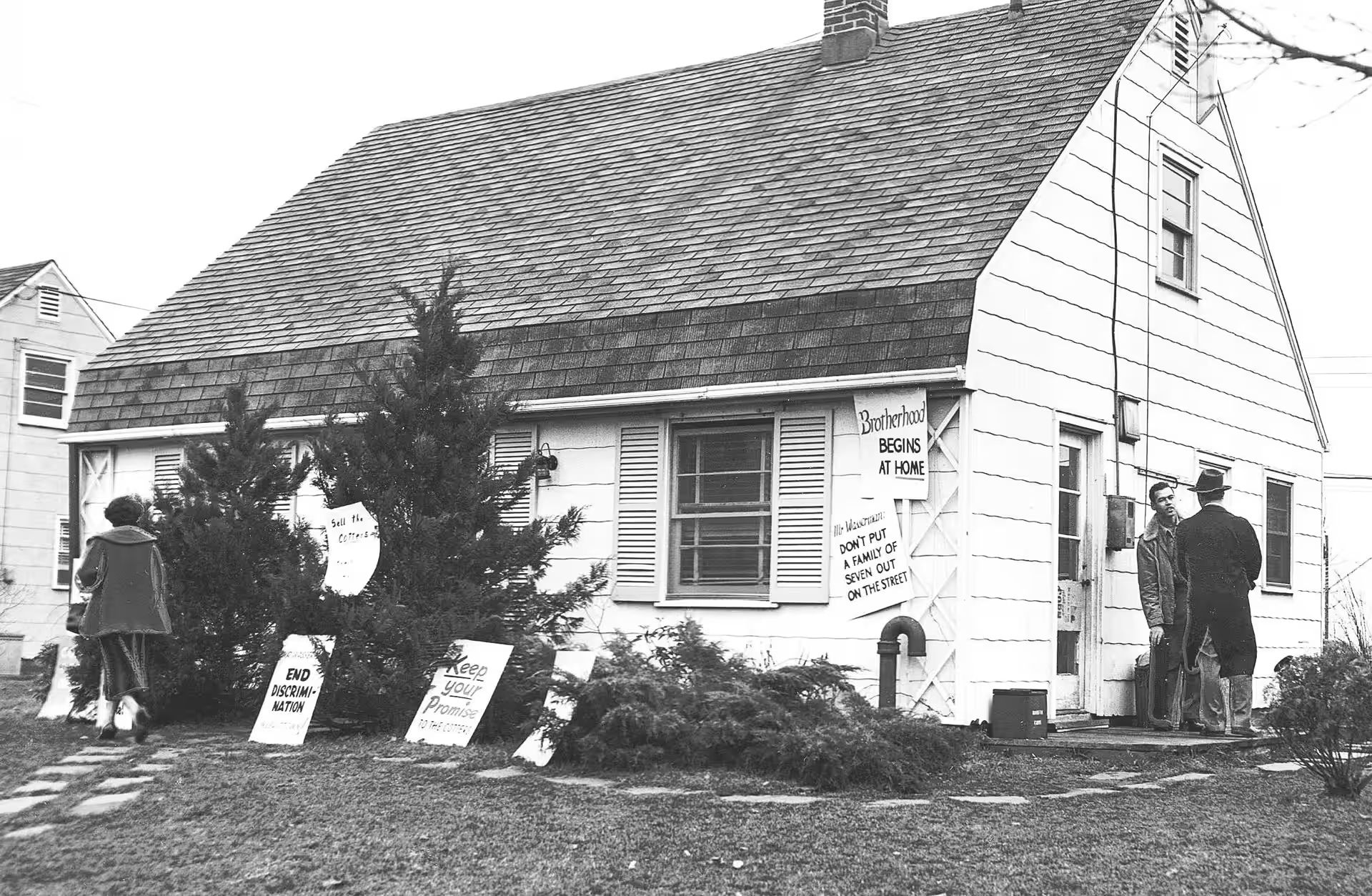
On October 20, 1934, the nation's first comprehensive public housing program was launched, addressing severe urban housing shortages during the economic depression. This groundbreaking initiative constructed thousands of affordable housing units across major cities, providing decent living conditions for low-income families. The program established new standards for public housing design, incorporating modern amenities, proper sanitation, and community facilities that were previously unavailable in slum areas. This massive construction effort not only alleviated housing crises but also created thousands of construction jobs, stimulating economic recovery while establishing the government's role in ensuring housing accessibility for all citizens.
▪ Reference(s):
1934 کے پبلک ہاؤسنگ پروگرام کے آغاز نے جدید سہولیات کے ساتھ ہزاروں سستی رہائشی یونٹس تعمیر کیں، جس نے شہری ہاؤسنگ کے بحرانوں کو حل کیا جبکہ ہاؤسنگ کی رسائی کے لیے حکومتی ذمہ داری قائم کی اور نئے تعمیراتی روزگار کے مواقع پیدا کیے۔

On October 20, 1978, transformative zoning legislation was enacted that specifically addressed large-scale shopping center developments, creating dedicated commercial zoning categories for retail complexes. This legal framework established standards for parking requirements, traffic management, environmental impact assessments, and community benefit agreements for major retail developments. The laws emerged as shopping centers evolved from simple retail strips to massive regional destinations requiring comprehensive planning considerations. This zoning revolution balanced commercial development needs with community interests, establishing precedents for responsible retail development that influenced commercial real estate planning for decades while protecting residential neighborhoods from incompatible commercial encroachment.
▪ Reference(s):
20 اکتوبر 1978 کو ایک انقلابی زوننگ قانون نافذ کیا گیا جس کا مقصد بڑے پیمانے پر شاپنگ سینٹرز کی تعمیر و ترقی کو منظم کرنا تھا۔ اس قانون کے تحت ریٹیل کمپلیکسز کے لیے مخصوص کمرشل زوننگ کیٹیگریز قائم کی گئیں۔ اس قانونی فریم ورک نے پارکنگ کے تقاضوں، ٹریفک کے انتظام، ماحولیاتی اثرات کے تجزیے، اور بڑی تجارتی تعمیرات کے لیے کمیونٹی فائدہ کے معاہدوں کے واضح معیار متعین کیے۔ یہ قوانین اس وقت سامنے آئے جب شاپنگ سینٹرز سادہ ریٹیل پٹیوں سے بڑھ کر بڑے علاقائی مراکز میں تبدیل ہو رہے تھے جن کے لیے جامع منصوبہ بندی کی ضرورت تھی۔ اس زوننگ انقلاب نے تجارتی ترقی اور عوامی مفاد کے درمیان توازن پیدا کیا اور ذمہ دارانہ کمرشل ترقی کے ایسے اصول وضع کیے جنہوں نے آنے والی کئی دہائیوں تک رئیل اسٹیٹ منصوبہ بندی کو متاثر کیا، جبکہ رہائشی علاقوں کو غیر موزوں تجارتی تجاوزات سے محفوظ رکھا۔

On October 9, 1874, representatives from twenty-two nations gathered in Bern, Switzerland, to establish the Universal Postal Union (UPU) — a pioneering global framework that standardized international mail exchange. By creating a single postal territory, the UPU laid the groundwork for today’s address systems, property documentation by post, ca...
Read More →
On October 23, 1892, comprehensive fire-resistant building code standards were enacted, establishing mandatory requirements for fireproof construction materials and safety features in urban buildings. These regulations emerged following devastating urban fires that had destroyed entire city blocks, prompting urgent reforms in construction practices...
Read More →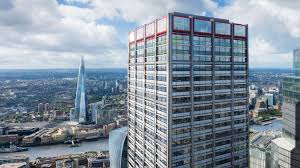
On October 30, 2001, the Karachi Development Authority implemented Pakistan's first comprehensive high-rise building regulations, fundamentally transforming the city's vertical development patterns and establishing crucial safety standards for urban construction. The innovative regulatory framework established rigorous safety protocols for tall str...
Read More →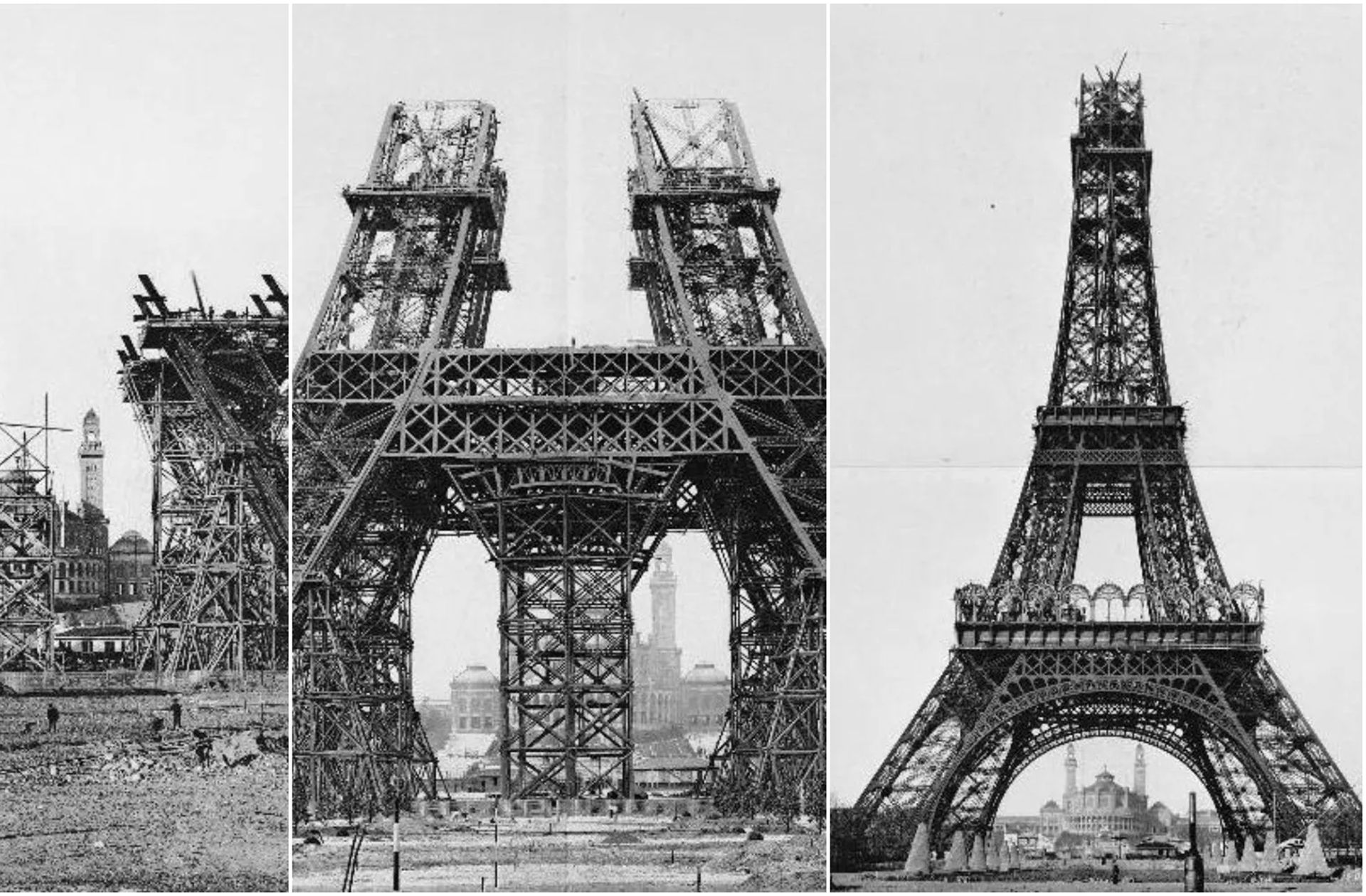
On October 25, 1889, the completion of the Eiffel Tower marked a defining moment in global engineering and architecture. Constructed for the Paris Exposition, it showcased the strength and versatility of iron as a primary construction material, revolutionizing modern building design. The 1889 completion of the Eiffel Tower forever changed global co...
Read More →
On November 1, 2016, Pakistan inaugurated the Gwadar Free Zone under the China-Pakistan Economic Corridor (CPEC), marking a milestone in regional industrial growth. The project aimed to transform Gwadar into a global logistics and manufacturing hub connecting South Asia, the Middle East, and Africa. The zone offered tax holidays, investor incentive...
Read More →
No comments yet. Be the first to comment!