
Syed Shayan Real Estate Archive
Syed Shayan Real Estate Archive
From Real Estate History
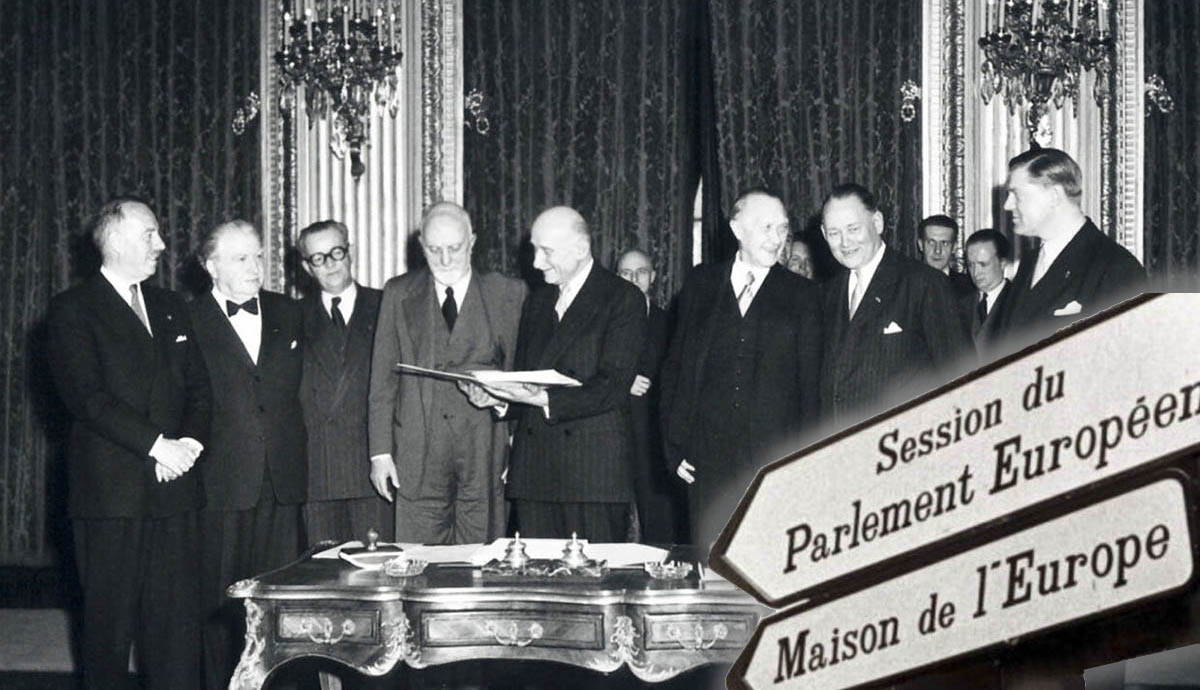
On November 1, 1993, the Maastricht Treaty officially established the European Union (EU), marking a transformative milestone in modern political and economic history. The agreement brought together 12 European nations under a unified structure, fostering economic cooperation, shared governance, and collective security. It introduced the concept of European citizenship, enabling citizens to move, work, and vote freely across member states. The treaty also laid the groundwork for the euro currency, future enlargement of the EU, and common policies in foreign affairs and defense. Emerging from decades of post-war reconstruction, the EU represented a bold step toward preventing conflict and ensuring prosperity through interdependence. The treaty redefined sovereignty by linking national interest with continental cooperation, signaling a new era of integration and global influence for Europe.
▪ Reference(s):
1 نومبر 1993 کو معاہدہِ ماسٹرخٹ کے نفاذ کے ساتھ یورپی یونین باضابطہ طور پر قائم ہوئی، جو جدید سیاسی و اقتصادی تاریخ کا ایک سنگ میل ثابت ہوئی۔ اس معاہدے کے ذریعے 12 یورپی ممالک کو ایک متحد نظام میں لایا گیا، جس نے اقتصادی تعاون، مشترکہ حکمرانی اور اجتماعی سلامتی کو فروغ دیا۔ اس کے تحت یورپی شہریت کا تصور متعارف ہوا جس سے شہریوں کو کسی بھی رکن ملک میں رہنے، کام کرنے اور ووٹ دینے کی آزادی حاصل ہوئی۔ معاہدے نے یورو کرنسی، خارجہ و دفاعی پالیسیوں اور مستقبل کی توسیع کی بنیاد رکھی۔ جنگِ عظیم کے بعد کے تناظر میں، یہ اتحاد یورپ کے لیے امن و خوشحالی کی ضمانت بن گیا اور خودمختاری کو اجتماعی تعاون کے ساتھ جوڑ کر ایک نئے دور کا آغاز کیا۔

On November 1, 2016, Pakistan inaugurated the Gwadar Free Zone under the China-Pakistan Economic Corridor (CPEC), marking a milestone in regional industrial growth. The project aimed to transform Gwadar into a global logistics and manufacturing hub connecting South Asia, the Middle East, and Africa. The zone offered tax holidays, investor incentives, and long-term leases to attract foreign companies. It generated thousands of jobs for locals and facilitated large-scale infrastructure projects, including port expansion, energy terminals, and transport corridors. The Free Zone’s launch symbolized Pakistan’s strategic pivot toward maritime trade and industrial diversification. Beyond economics, Gwadar became a geopolitical asset, enhancing Pakistan’s position in global shipping routes. The initiative demonstrated how international cooperation can unlock untapped potential in underdeveloped coastal regions.
▪ Reference(s):
1 نومبر 2016 کو پاکستان نے سی پیک کے تحت گوادر فری زون کا افتتاح کیا، جو صنعتی ترقی کے ایک نئے دور کا آغاز تھا۔ اس منصوبے کا مقصد گوادر کو جنوبی ایشیا، مشرقِ وسطیٰ اور افریقہ کے درمیان ایک عالمی لاجسٹک و مینوفیکچرنگ حب میں تبدیل کرنا تھا۔ فری زون میں غیر ملکی سرمایہ کاروں کے لیے ٹیکس میں رعایتیں، مراعات اور طویل المدتی لیز فراہم کی گئیں۔ اس سے مقامی سطح پر ہزاروں روزگار کے مواقع پیدا ہوئے اور بندرگاہ کی توسیع، توانائی ٹرمینلز اور ٹرانسپورٹ کاریڈور جیسے منصوبے تیز ہوئے۔ یہ افتتاح پاکستان کی تجارتی سمت میں ایک اسٹریٹجک موڑ ثابت ہوا جس نے ملک کو عالمی بحری راستوں میں نمایاں مقام دلایا۔ گوادر فری زون نے واضح کیا کہ بین الاقوامی اشتراک کے ذریعے پسماندہ ساحلی علاقوں کو ترقی کے مرکز میں بدلا جا سکتا ہے۔

On October 26, 2018, blockchain technology began transforming real estate transactions through pilot programs testing property tokenization and smart contracts. This innovation promised to revolutionize property ownership transfers, title management, and transaction recording by creating immutable, transparent digital ledgers. Early adopters explor...
Read More →On October 26, 1933, the US New Deal introduced transformative housing reforms during the Great Depression. The Home Owners' Loan Corporation (HOLC) and Federal Housing Administration (FHA) were established to prevent foreclosures, stabilize property values, and introduce long-term amortized mortgages. These initiatives revolutionized home financin...
Read More →
On October 9, 1874, representatives from twenty-two nations gathered in Bern, Switzerland, to establish the Universal Postal Union (UPU) — a pioneering global framework that standardized international mail exchange. By creating a single postal territory, the UPU laid the groundwork for today’s address systems, property documentation by post, ca...
Read More →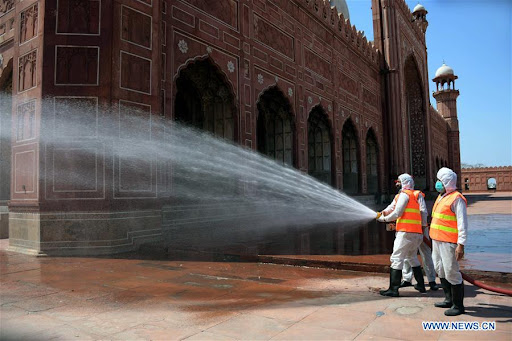
On October 28, 2020, Pakistan implemented a comprehensive COVID-19 recovery package specifically targeting the construction sector to stimulate economic revival amid the pandemic. The government initiative included tax incentives, subsidized financing, streamlined approval processes, and legal protections to accelerate construction activity and gen...
Read More →
On October 29, 2004, construction began on Dubai's Burj Khalifa, transforming global real estate perceptions and establishing the Middle East as a major property development hub. The world's tallest building project generated unprecedented demand for luxury properties in surrounding areas and set new standards for high-rise construction internation...
Read More →
No comments yet. Be the first to comment!