
Syed Shayan Real Estate Archive
Syed Shayan Real Estate Archive
From Real Estate History
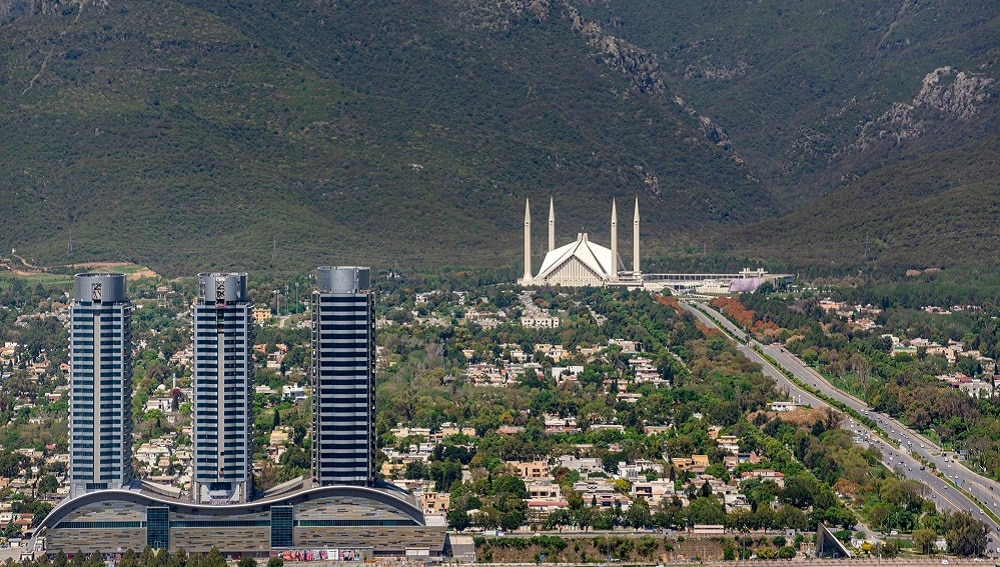
On October 29, 1988, the Government of Pakistan approved a significant revision to Islamabad’s Master Plan, marking a major milestone in the city’s urban development history. The updated plan expanded Islamabad’s development boundaries and introduced modern zoning regulations to accommodate the capital’s rapidly growing population and real estate demand. It designated new sectors for residential, commercial, and institutional purposes while maintaining the city’s original green identity and environmental balance. The revision reflected a forward-thinking approach to urban growth, blending modernization with sustainability and order. By incorporating contemporary planning concepts, infrastructure development guidelines, and environmental safeguards, the plan ensured that Islamabad’s expansion would remain organized, livable, and ecologically responsible. This framework not only guided the city’s structured growth for decades but also set new standards for urban planning across Pakistan. The 1988 revision became a blueprint for balancing progress with preservation, influencing future master plans and shaping the evolution of Islamabad into one of the most carefully planned capitals in the region.
▪ Reference(s):
29 اکتوبر 1988 کو پاکستان کی حکومت نے اسلام آباد کے ماسٹر پلان میں ایک بڑی اور تاریخی ترمیم کی منظوری دی، جس کا مقصد تیزی سے بڑھتی ہوئی آبادی اور بڑھتی ہوئی رئیل اسٹیٹ کی طلب کو پورا کرنا تھا۔ اس ترمیم کے تحت دارالحکومت کی ڈویلپمنٹ کی حدود میں نمایاں توسیع کی گئی اور نئے زوننگ ضوابط متعارف کرائے گئے تاکہ رہائشی، تجارتی اور ادارہ جاتی ترقی کو منظم انداز میں آگے بڑھایا جا سکے۔ اپ ڈیٹڈ ماسٹر پلان نے جدید شہری منصوبہ بندی کے اصولوں کو شامل کرتے ہوئے شہر کی سبز اور قدرتی شناخت کو محفوظ رکھا۔ یہ ترمیم نہ صرف اسلام آباد کی منظم اور پائیدار توسیع کے لیے ایک مضبوط فریم ورک ثابت ہوئی بلکہ آنے والی دہائیوں کے لیے شہری ترقی کی سمت بھی متعین کی۔ اس منصوبے نے ماحولیاتی توازن اور جدید ترقی کے درمیان ہم آہنگی پیدا کی، جس کی بدولت اسلام آباد ایک ایسا شہر بن کر ابھرا جو منصوبہ بندی، خوبصورتی اور پائیداری کا بہترین امتزاج پیش کرتا ہے۔

On October 29, 2004, construction began on Dubai's Burj Khalifa, transforming global real estate perceptions and establishing the Middle East as a major property development hub. The world's tallest building project generated unprecedented demand for luxury properties in surrounding areas and set new standards for high-rise construction internationally. This mega-project demonstrated how architectural ambition could drive regional economic growth and property value appreciation, while establishing Dubai as a global luxury real estate destination. The development catalyzed billions in additional property investments throughout the region and inspired similar ambitious projects worldwide.
▪ Reference(s):
29 اکتوبر 2004 کو دبئی کے برج خلیفہ کی تعمیر کا آغاز ہوا، جس نے عالمی رئیل اسٹیٹ کے تصورات کو تبدیل کیا اور مشرق وسطیٰ کو ایک بڑی پراپرٹی ڈویلپمنٹ ہب کے طور پر قائم کیا۔ دنیا کی بلند ترین عمارت کے منصوبے نے اردگرد کے علاقوں میں لگژری پراپرٹیز کی غیر معمولی مانگ پیدا کی اور بین الاقوامی سطح پر بلند و بالا تعمیرات کے نئے معیارات طے کیے۔ اس میگا پراجیکٹ نے ثابت کیا کہ کس طرح آرکیٹیکچرل عزائم خطے کی معاشی ترقی اور پراپرٹی ویلیو میں اضافے کو فروغ دے سکتے ہیں، جبکہ دبئی کو عالمی لگژری رئیل اسٹیٹ منزل کے طور پر قائم کیا۔
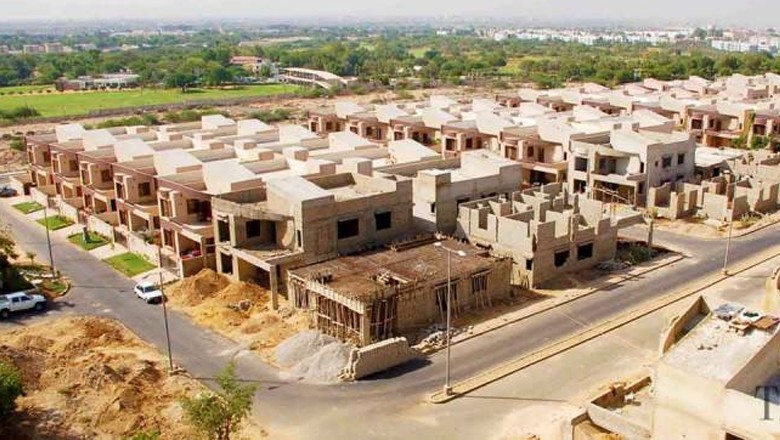
On October 30, 1980, Pakistan unveiled its groundbreaking first comprehensive national housing policy specifically designed to address the shelter needs of low-income families, representing a transformative shift in the country's approach to real estate development and urban planning. The pioneering policy established comprehensive frameworks for a...
Read More →On October 26, 1933, the US New Deal introduced transformative housing reforms during the Great Depression. The Home Owners' Loan Corporation (HOLC) and Federal Housing Administration (FHA) were established to prevent foreclosures, stabilize property values, and introduce long-term amortized mortgages. These initiatives revolutionized home financin...
Read More →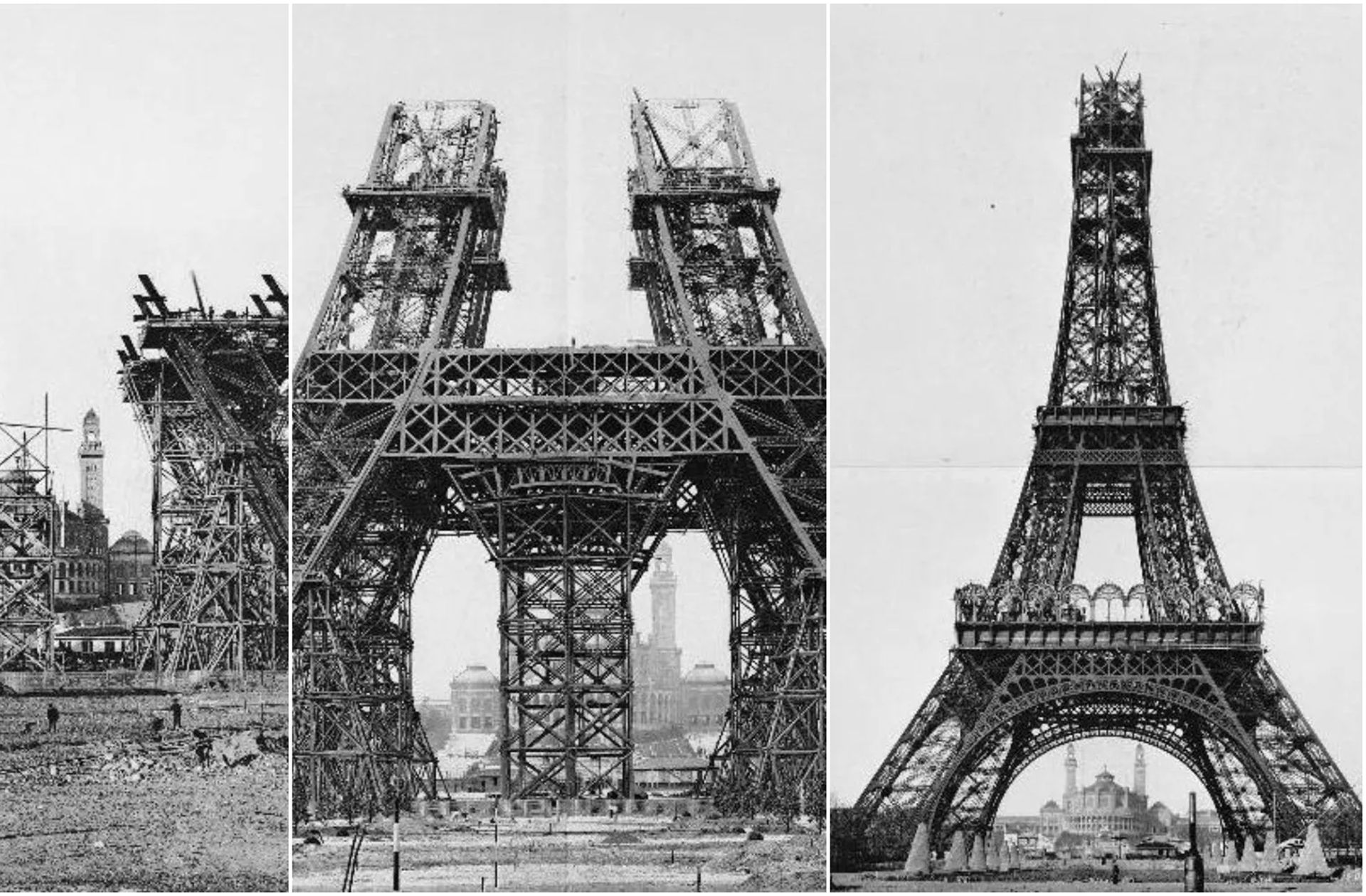
On October 25, 1889, the completion of the Eiffel Tower marked a defining moment in global engineering and architecture. Constructed for the Paris Exposition, it showcased the strength and versatility of iron as a primary construction material, revolutionizing modern building design. The 1889 completion of the Eiffel Tower forever changed global co...
Read More →
On October 23, 1972, pioneering energy efficiency standards for commercial buildings were enacted, establishing the first comprehensive requirements for energy conservation in commercial construction. These regulations emerged during the energy crisis era, addressing growing concerns about resource conservation and building operating costs. The sta...
Read More →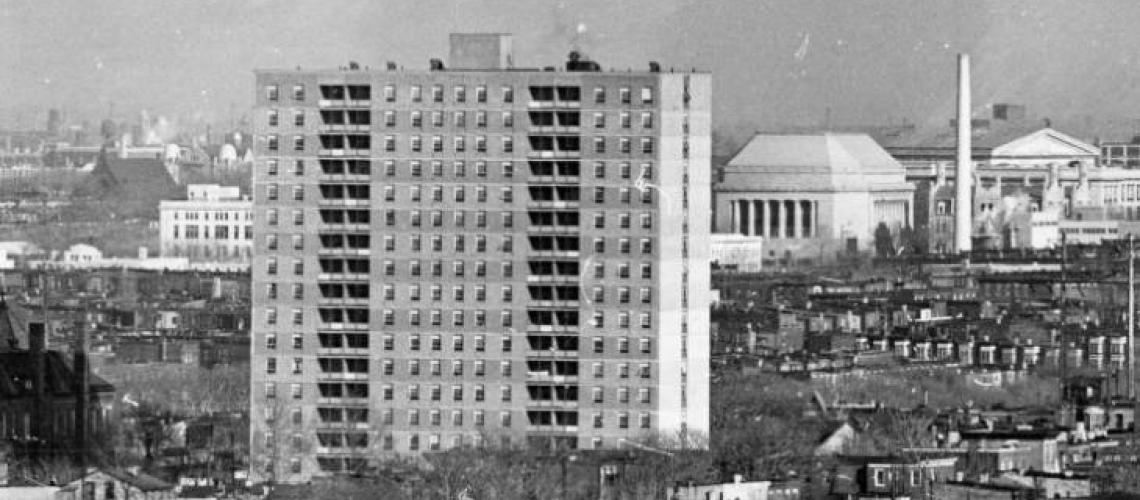
On October 22, 1963, groundbreaking condominium legislation was enacted, creating the legal framework for individual ownership of units within multi-story residential buildings. This revolutionary law established the concept of 'air rights' ownership and created mechanisms for shared ownership of common areas, maintenance responsibilities, and gove...
Read More →
No comments yet. Be the first to comment!