
Syed Shayan Real Estate Archive
Syed Shayan Real Estate Archive
From Real Estate History
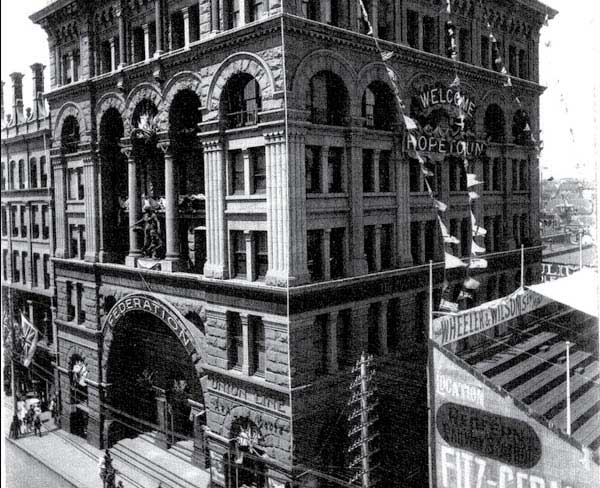
On October 22, 1888, pioneering building height limitation laws were enacted in major cities, establishing the first formal restrictions on building elevations. These regulations emerged as concerns grew about overcrowding, fire safety, and sunlight access in rapidly developing urban centers. The laws typically limited buildings to 6-8 stories, addressing both safety concerns and preserving the character of historic cityscapes. This legislation represented one of the earliest attempts to manage urban density and building scale systematically, creating precedents for future zoning regulations and establishing the principle that private property development could be regulated for public welfare considerations.
▪ Reference(s):
یہ22 اکتوبر 1888 کی بات ہے جب بڑے شہروں میں عمارتوں کی اونچائی محدود کرنے کے ابتدائی قوانین نافذ کیے گئے۔ ان قوانین کے ذریعے پہلی بار عمارتوں کی بلندی پر باقاعدہ پابندیاں عائد کی گئیں تاکہ شہروں میں تیزی سے بڑھتی ہوئی آبادی، آگ سے تحفظ اور سورج کی روشنی تک رسائی جیسے مسائل پر قابو پایا جا سکے۔ ان ضوابط کے تحت عام طور پر عمارتوں کی اونچائی چھ سے آٹھ منزلوں تک محدود رکھی گئی، جس کا مقصد شہری سلامتی کو یقینی بنانا اور تاریخی شہروں کے خدوخال کو برقرار رکھنا تھا۔ یہ قانون شہری منصوبہ بندی کے منظم تصور کی طرف ایک ابتدائی قدم ثابت ہوا۔ اس نے مستقبل کے زوننگ قوانین کے لیے بنیاد فراہم کی اور یہ اصول متعارف کروایا کہ نجی جائیداد کی تعمیرات کو عوامی مفاد کے تحت منظم اور محدود کیا جا سکتا ہے۔

On October 22, 1929, the nation's first comprehensive real estate board was established, creating professional standards and ethical guidelines for property transactions. This pioneering institution brought together real estate professionals to establish uniform practices, standardize transaction procedures, and create codes of conduct for the industry. The board introduced licensing requirements, standardized contract forms, and established dispute resolution mechanisms that brought much-needed organization to the previously fragmented real estate market. This professionalization of the industry occurred just before the Great Depression, providing crucial stability mechanisms during the subsequent economic challenges that would reshape property markets globally.
▪ Reference(s):
یہ 22 اکتوبر 1929 کی بات ہے جب ملک کا پہلا جامع رئیل اسٹیٹ بورڈ قائم ہوا، جس نے جائیداد کے لین دین کے لیے پیشہ ورانہ معیار، اخلاقی اصول اور ضابطہ اخلاق متعین کیے، ماہرین کو ایک پلیٹ فارم پر لا کر معیاری معاہدہ فارم تیار کیے، لائسنسنگ کے تقاضے اور تنازعات کے حل کے طریقہ کار وضع کیے، جس سے بکھری ہوئی رئیل اسٹیٹ منڈی میں نظم و ضبط آیا اور یہ اصلاحات عظیم معاشی بحران سے قبل متعارف ہو کر بعد کی اقتصادی مشکلات میں مارکیٹ کے استحکام اور عالمی رئیل اسٹیٹ نظام کی تشکیل میں سنگ میل ثابت ہوئیں۔
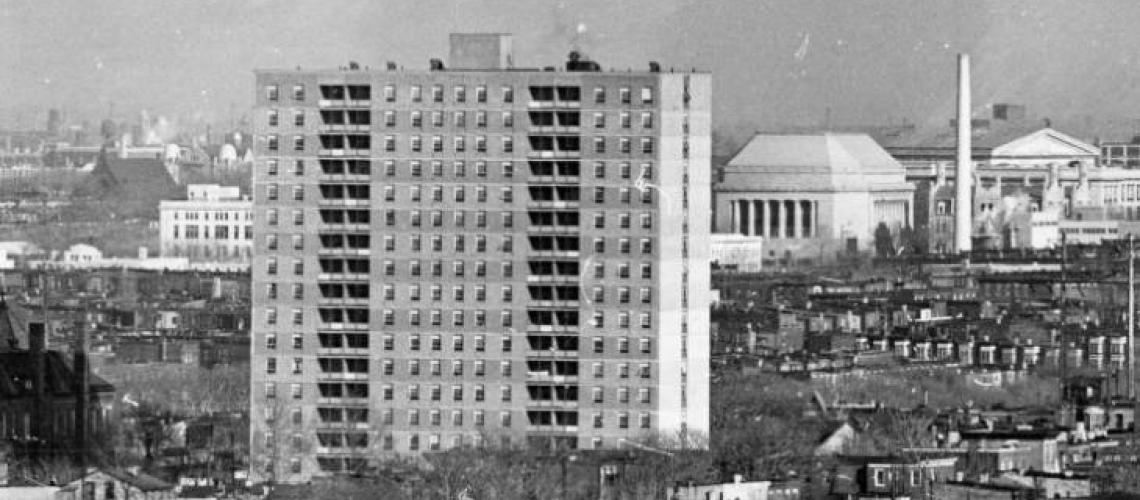
On October 22, 1963, groundbreaking condominium legislation was enacted, creating the legal framework for individual ownership of units within multi-story residential buildings. This revolutionary law established the concept of 'air rights' ownership and created mechanisms for shared ownership of common areas, maintenance responsibilities, and governance structures for residential communities. The legislation addressed the growing demand for urban housing options that combined private ownership with shared amenities, enabling more efficient land use in dense urban areas. This legal innovation transformed urban housing markets, making high-density residential development more financially viable and creating new patterns of urban living that would dominate city development for decades.
▪ Reference(s):
یہ 22 اکتوبر 1963 کی بات ہے جب ایک انقلابی قانون منظور ہوا جس نے کونڈومینیم نظام کو قانونی حیثیت دی، یعنی بلند عمارتوں میں ہر فرد اپنی مخصوص یونٹ یا فلیٹ کا انفرادی مالک بن سکتا تھا، جبکہ سیڑھیاں، پارکنگ اور باغات جیسی مشترکہ جگہوں کی اجتماعی ملکیت اور دیکھ بھال کے اصول بھی طے کیے گئے۔ اس قانون نے پہلی بار ایئر رائٹس کے تصور کو متعارف کروا کر تیزی سے بڑھتی شہری آبادی اور رہائشی بحران کا حل پیش کیا، جس سے اونچی عمارتوں میں رہائش مالی طور پر ممکن ہوئی، زمین کے مؤثر استعمال کو فروغ ملا اور شہروں میں کثافت والے جدید رہائشی منصوبوں کی راہ ہموار ہوئی جو آئندہ کئی دہائیوں تک شہری طرزِ زندگی کی بنیاد بنے۔

On this day in 2005, a catastrophic 7.6 magnitude earthquake struck northern Pakistan and Azad Jammu & Kashmir (AJK), marking one of the deadliest natural disasters in the nation’s history. Within minutes, vast regions of Muzaffarabad, Balakot, and Bagh were reduced to rubble. Over 73,000 people lost their lives, while millions were left injured ...
Read More →
On October 29, 2004, construction began on Dubai's Burj Khalifa, transforming global real estate perceptions and establishing the Middle East as a major property development hub. The world's tallest building project generated unprecedented demand for luxury properties in surrounding areas and set new standards for high-rise construction internation...
Read More →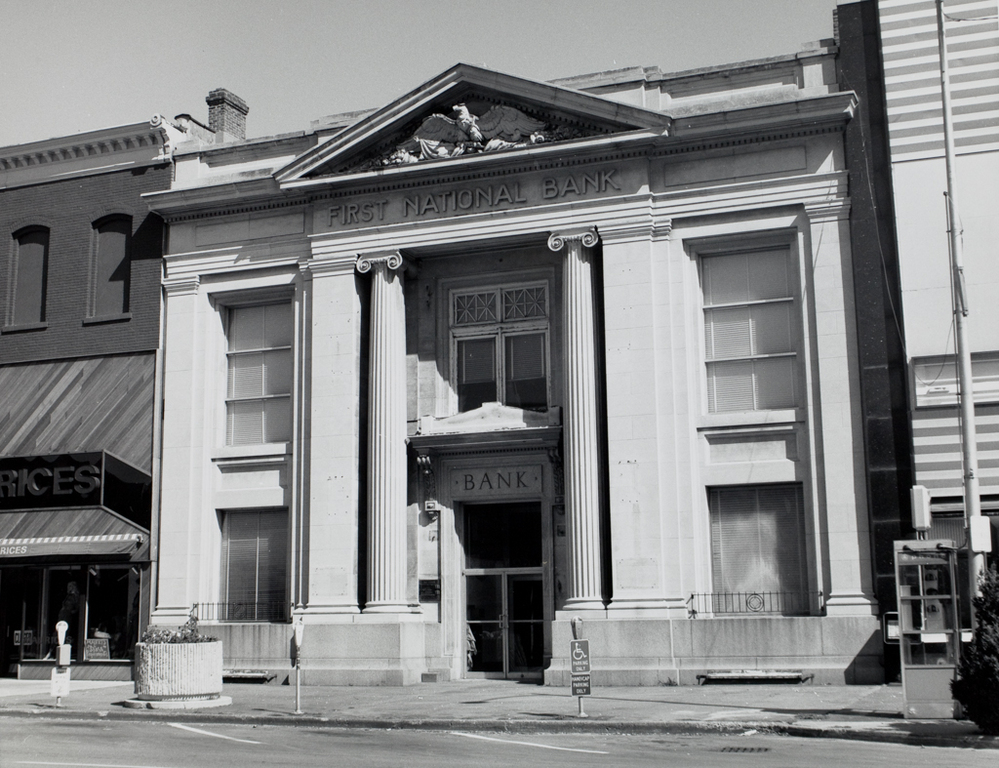
On October 20, 1901, the first comprehensive national building code standards were established, creating uniform construction regulations across the country. This landmark legislation addressed fire safety, structural integrity, and sanitation requirements for all new constructions. The code mandated minimum room dimensions, ventilation standards, ...
Read More →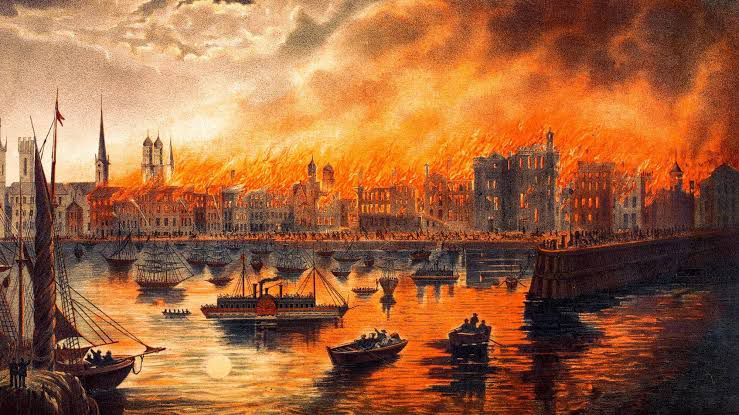
On October 8 1871 a catastrophic fire broke out in Chicago Illinois destroying over 17 000 buildings across 3.3 square miles and leaving 100 000 people homeless. Fueled by wooden construction strong winds and months of drought the flames raged for two days and claimed more than 300 lives. The financial losses exceeded 200 million dollars making it ...
Read More →
On November 1, 1993, the Maastricht Treaty officially established the European Union (EU), marking a transformative milestone in modern political and economic history. The agreement brought together 12 European nations under a unified structure, fostering economic cooperation, shared governance, and collective security. It introduced the concept of...
Read More →
No comments yet. Be the first to comment!