
Syed Shayan Real Estate Archive
Syed Shayan Real Estate Archive
From Real Estate History
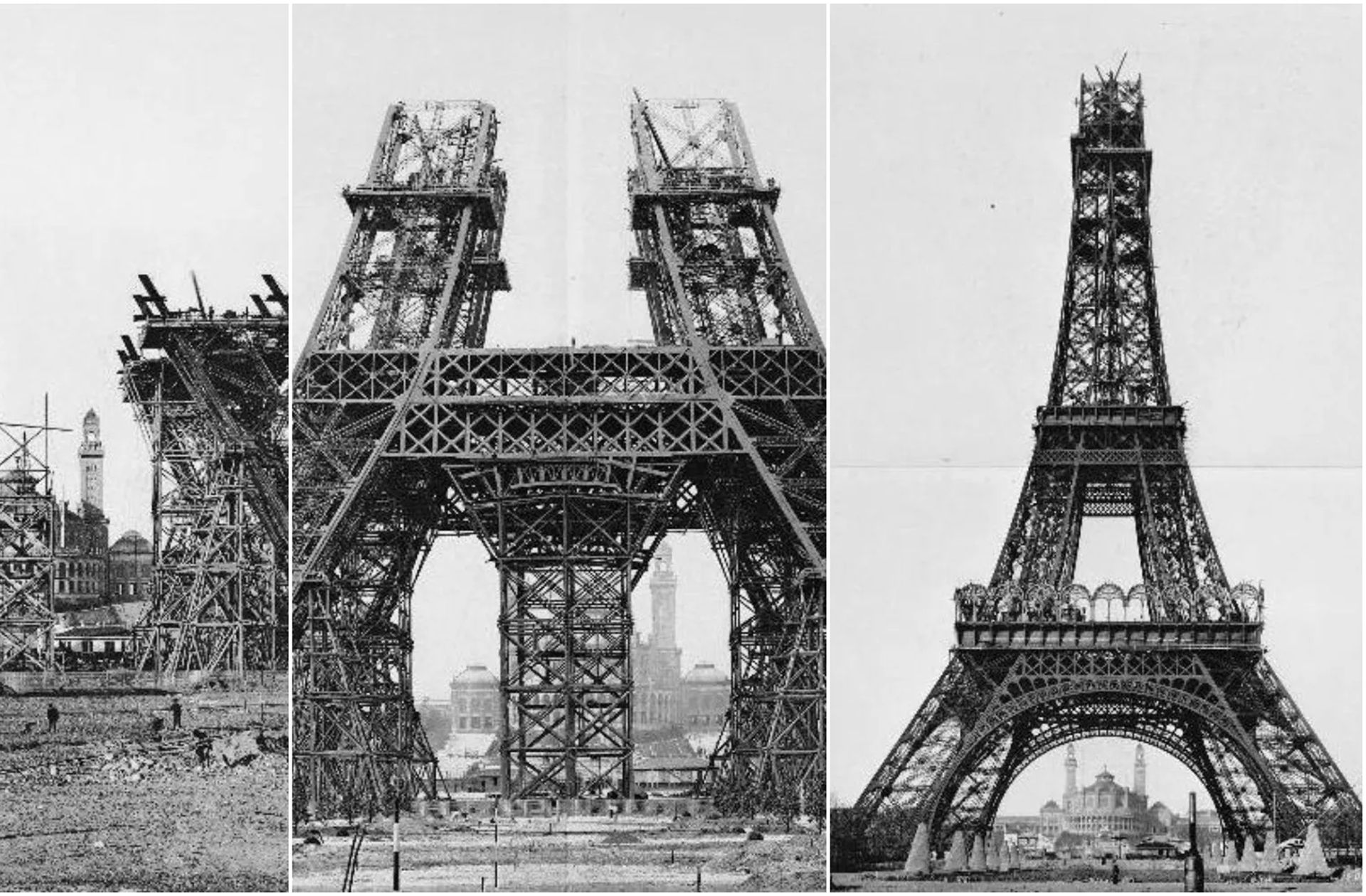
On October 25, 1889, the completion of the Eiffel Tower marked a defining moment in global engineering and architecture. Constructed for the Paris Exposition, it showcased the strength and versatility of iron as a primary construction material, revolutionizing modern building design. The 1889 completion of the Eiffel Tower forever changed global construction practices. As one of the first large-scale structures made entirely of iron, it demonstrated that industrial materials could combine strength and beauty, transforming architecture into an engineering art. The tower’s modular prefabrication, precision riveting, and record-breaking height set new benchmarks for structural innovation. It became a prototype for the skyscraper era, influencing design in New York, Chicago, and beyond. Today, the Eiffel Tower stands as a timeless reminder of how creativity, science, and vision can redefine the built environment.
▪ Reference(s):
1889 میں ایفل ٹاور کی تکمیل نے عالمی تعمیراتی طریقوں کو بدل دیا، یہ ثابت کرتے ہوئے کہ لوہا نہ صرف مضبوط بلکہ خوبصورت عمارتوں کے لیے بھی موزوں مواد ہو سکتا ہے۔ اس کامیابی نے دنیا بھر میں بلند و بالا اور پائیدار عمارتوں کے ڈیزائن کو متاثر کیا۔ تیار شدہ لوہے کے حصے، درست انجینئرنگ اور ماڈیولر تعمیراتی تکنیک نے صنعتی تعمیرات کی بنیاد رکھی۔ فن، ٹیکنالوجی اور انجینئرنگ کے امتزاج کی علامت بننے والا یہ ٹاور جدید شہری تعمیرات کا نقطۂ آغاز بن گیا۔
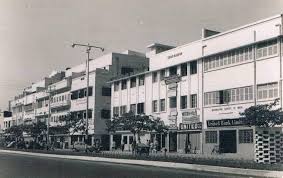
On October 25, 1967, Pakistan introduced the Urban Development and Housing Reform Act, which marked a turning point in national city planning. The legislation established urban development authorities and zoning regulations for major cities like Karachi, Lahore, and Islamabad. It promoted structured urban growth, affordable housing, and better municipal coordination during a period of rapid population increase. This reform encouraged planned neighborhoods, regulated land subdivision, and improved municipal infrastructure across Pakistan. The policy’s impact extended to the 1970s, shaping housing societies and industrial zones that remain vital to urban centers today. It laid the groundwork for balanced development between public housing and private sector investment, modernizing Pakistan’s approach to urban governance.
▪ Reference(s):
25 اکتوبر 1967 کو پاکستان نے شہری ترقی اور ہاؤسنگ ریفارم ایکٹ متعارف کرایا جس نے شہری منصوبہ بندی میں انقلابی تبدیلیاں کیں۔ اس قانون کے تحت ترقیاتی ادارے قائم کیے گئے، زوننگ قوانین بنائے گئے اور بڑے شہروں میں کم لاگت رہائشی منصوبوں کو فروغ دیا گیا۔ اس اصلاح نے منظم شہری توسیع، بہتر انفراسٹرکچر اور عوامی و نجی شعبے کے درمیان تعاون کو فروغ دیا۔
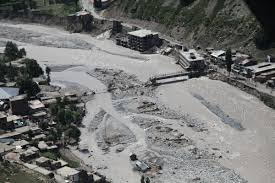
On October 25, 1992, the Government of Pakistan introduced a landmark Housing Finance Policy aimed at increasing homeownership and stimulating the real estate sector. The policy enabled commercial banks and the House Building Finance Corporation to expand affordable mortgage options for middle-class families. This measure led to a surge in residential construction, strengthened the building materials market, and attracted private real estate investment nationwide. The 1992 reforms established financial frameworks that made housing loans more accessible and reduced bureaucratic barriers for developers. This initiative became a cornerstone for future housing finance reforms and marked the beginning of structured mortgage markets in Pakistan’s property sector.
▪ Reference(s):
25 اکتوبر 1992 کو حکومتِ پاکستان نے ہاؤسنگ فنانس پالیسی متعارف کرائی جس کا مقصد عوام کے لیے گھر کی ملکیت کو آسان بنانا اور رئیل اسٹیٹ سیکٹر کو فروغ دینا تھا۔ اس پالیسی سے بینکوں اور ہاؤس بلڈنگ فنانس کارپوریشن کو کم شرح سود پر قرضے دینے کا اختیار ملا، جس سے رہائشی تعمیرات اور نجی سرمایہ کاری میں اضافہ ہوا۔

On October 23, 1972, pioneering energy efficiency standards for commercial buildings were enacted, establishing the first comprehensive requirements for energy conservation in commercial construction. These regulations emerged during the energy crisis era, addressing growing concerns about resource conservation and building operating costs. The sta...
Read More →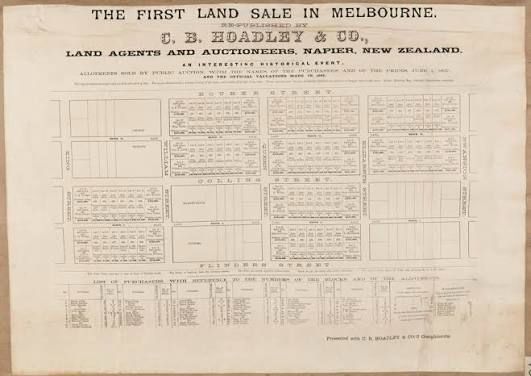
On October 10, 1885, Melbourne witnessed one of the most significant property events in its urban history when the city hosted its first large scale public land auction in the growing suburbs south of the Yarra River. At that time, Melbourne was experiencing a remarkable economic and population boom driven by gold rush prosperity, migration, and in...
Read More →
On October 25, 1889, the completion of the Eiffel Tower marked a defining moment in global engineering and architecture. Constructed for the Paris Exposition, it showcased the strength and versatility of iron as a primary construction material, revolutionizing modern building design. The 1889 completion of the Eiffel Tower forever changed global co...
Read More →
On October 20, 1978, transformative zoning legislation was enacted that specifically addressed large-scale shopping center developments, creating dedicated commercial zoning categories for retail complexes. This legal framework established standards for parking requirements, traffic management, environmental impact assessments, and community benefi...
Read More →
On October 30, 1980, Pakistan unveiled its groundbreaking first comprehensive national housing policy specifically designed to address the shelter needs of low-income families, representing a transformative shift in the country's approach to real estate development and urban planning. The pioneering policy established comprehensive frameworks for a...
Read More →
No comments yet. Be the first to comment!