
Syed Shayan Real Estate Archive
Syed Shayan Real Estate Archive
From Real Estate History
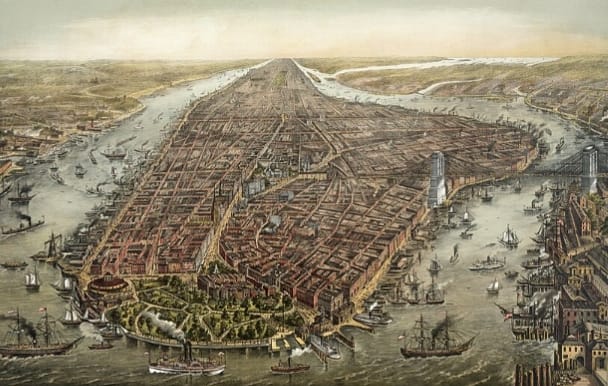
On 10 July 1690, authority in the Province of New York shifted firmly under the government established in the name of King William III and Queen Mary II during the aftermath of the Glorious Revolution. Although this was primarily a political event, it had lasting consequences for the future of land ownership, property administration, urban planning, and real estate development in what would become New York City.
During the late seventeenth century, uncertainty over colonial authority had created confusion regarding land grants, property rights, taxation, and municipal governance. As the new administration consolidated control, the colony began restoring confidence in legal institutions responsible for managing land and property. This strengthened the framework through which deeds, land patents, municipal regulations, and property transactions could be recognized and enforced.
The stabilization of government encouraged investment, trade, and settlement, helping New York evolve from a colonial port into one of the world's most valuable real estate markets. Over the following decades, clearer systems for recording land ownership, resolving property disputes, and administering real estate laid the institutional foundation for the city's long-term urban expansion.
For historians of the built environment, this period represents an important milestone because stable governance and legally recognized property rights are essential prerequisites for organized urban growth. The institutions that emerged in the early 1690s ultimately contributed to the development of modern New York's real estate system, influencing land administration practices that continued for centuries.
▪️Syed Shayan Real Estate Archive
▪ Reference(s):
10 جولائی 1690 کو انقلاب عظیم کے بعد صوبہ نیویارک میں اختیار بادشاہ ولیم سوم اور ملکہ میری دوم کے نام پر قائم ہونے والی حکومت کے تحت زیادہ مضبوط انداز میں منتقل ہوا۔ اگرچہ یہ بنیادی طور پر ایک سیاسی پیش رفت تھی، تاہم اس کے دور رس اثرات زمین کی ملکیت، جائیداد کے انتظام، شہری منصوبہ بندی اور اس علاقے کی رئیل اسٹیٹ ترقی پر مرتب ہوئے، جو بعد میں نیویارک سٹی کی شکل میں دنیا کے اہم ترین شہری مراکز میں شامل ہوا۔
سترہویں صدی کے آخری حصے میں نوآبادیاتی اختیار سے متعلق غیر یقینی صورت حال نے زمین کی الاٹمنٹ، ملکیتی حقوق، ٹیکسوں اور شہری انتظام کے معاملات میں پیچیدگیاں پیدا کر دی تھیں۔ نئی انتظامیہ کے کنٹرول مستحکم کرنے کے بعد زمین اور جائیداد سے متعلق قانونی اداروں پر اعتماد بحال ہونا شروع ہوا۔ اس سے وہ انتظامی ڈھانچہ مضبوط ہوا جس کے تحت رجسٹریوں، زمین کے پٹوں، بلدیاتی ضوابط اور جائیداد کے لین دین کو قانونی شناخت اور تحفظ فراہم کیا جا سکتا تھا۔
حکومتی استحکام نے سرمایہ کاری، تجارت اور آبادکاری کی راہ ہموار کی، جس کے نتیجے میں نیویارک ایک نوآبادیاتی بندرگاہ سے ترقی کرتے ہوئے دنیا کی سب سے قیمتی رئیل اسٹیٹ مارکیٹوں میں شامل ہونے لگا۔ آنے والی دہائیوں میں زمین کی ملکیت کے ریکارڈ، جائیداد کے تنازعات کے حل اور رئیل اسٹیٹ انتظام کے نسبتاً واضح نظام نے شہر کی طویل المدتی شہری توسیع کی مضبوط بنیاد فراہم کی۔
تعمیر شدہ ماحول اور شہری تاریخ کے ماہرین کے نزدیک یہ دور اس لیے اہم سنگِ میل سمجھا جاتا ہے کہ مستحکم حکمرانی اور قانونی طور پر تسلیم شدہ ملکیتی حقوق منظم شہری ترقی کے لیے بنیادی شرط ہوتے ہیں۔ 1690 کی دہائی کے اوائل میں ابھرنے والے اداروں نے جدید نیویارک کے رئیل اسٹیٹ نظام کی تشکیل میں اہم کردار ادا کیا اور زمین کے انتظامی طریقہ کار پر ایسے اثرات چھوڑے جو کئی صدیوں تک محسوس کیے گئے۔
▪️ سید شایان ریئل اسٹیٹ آرکائیو
No comments yet. Be the first to comment!