
Syed Shayan Real Estate Archive
Syed Shayan Real Estate Archive
From Real Estate History
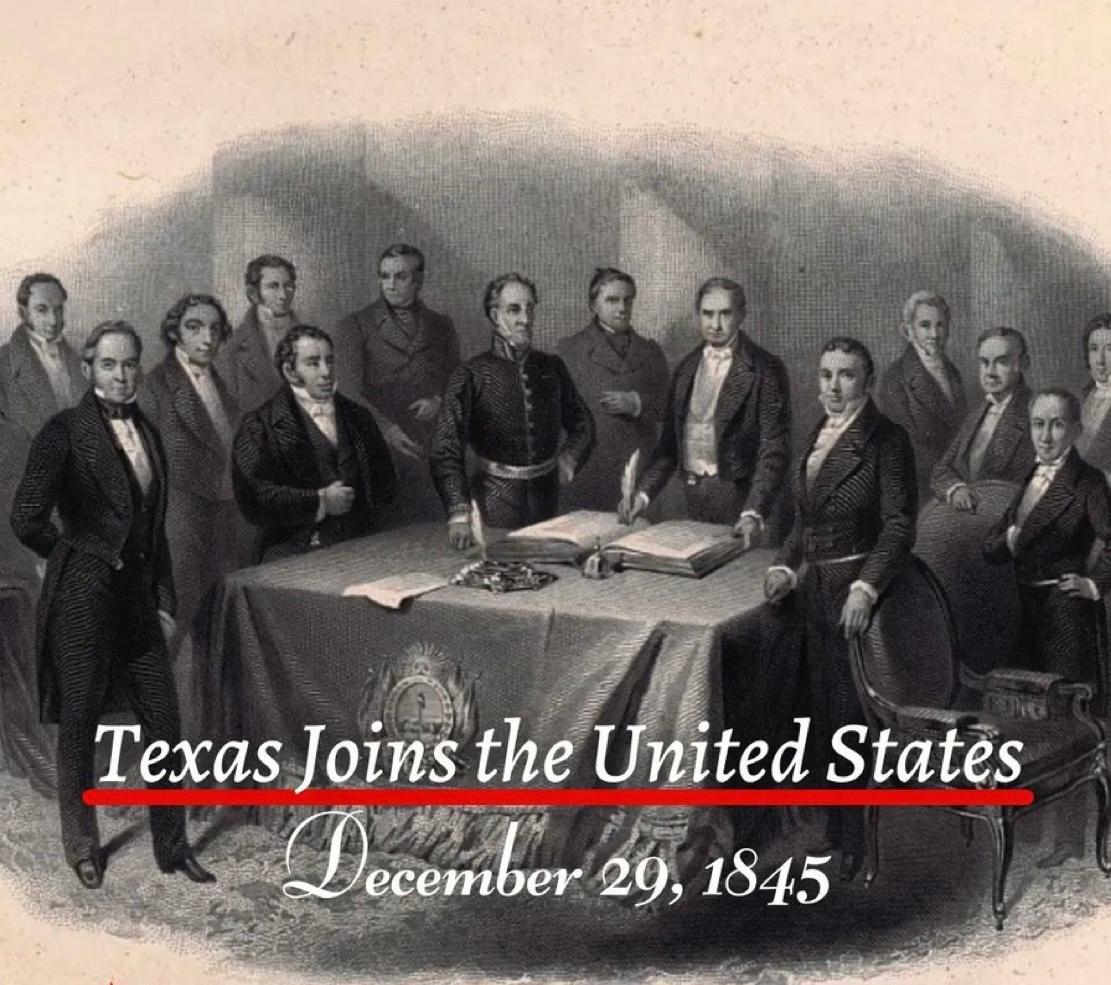
On 29 December 1845, Texas formally became the twenty eighth state of the United States. This event was not merely a political decision. It marked an extraordinary turning point in the global history of land ownership and real estate. As a result of this single day’s decision, approximately 259000 square miles, or nearly 695000 square kilometres, came under the jurisdiction of the American federal system.
Texas held a unique position because it had previously existed as an independent republic. The land was already settled. Agriculture was actively practised. Claims of private as well as communal ownership were firmly in place.
When Texas was annexed by the United States, all these lands were brought under the American constitutional and legal framework in a single moment. This transition reshaped land registration, land claims, agricultural ownership, and future urban planning within an entirely new framework influenced by American legal culture. Concepts of ownership, legal documentation, boundary demarcation, and patterns of urban expansion shifted from local traditions to align with the federal American system.
The historical importance of this annexation is further underscored by the fact that it represented the largest territorial addition ever gained through the admission of a sovereign state into the United States. At the time, the area exceeded that of several European countries and opened the path for the expansion of the American property market towards the southern and western regions. In subsequent decades, these lands formed the foundation for vast agricultural estates, railway networks, industrial centres, and newly established cities.
One of the most significant outcomes of Texas’s annexation for the United States was the acquisition of an extensive coastline, providing strong and direct access to the Gulf of Mexico.
This geographical transformation also produced a broader economic benefit for landlocked states. The development of ports along the Texas coast created new and more accessible routes for the agricultural and industrial output of inland regions to reach global markets. Over time, as expansive railway networks and integrated river systems connected these landlocked states to the Texas coastline, interior regions became part of the global trade system. In this way, the annexation of Texas emerged as a gradual yet profoundly significant milestone in the overall economic growth of the United States.
▪️Syed Shayan Real Estate Archive
▪ Reference(s):
29 دسمبر 1845 کو ٹیکساس باضابطہ طور پر امریکہ کی اٹھائیسویں ریاست بنا۔ یہ واقعہ محض ایک سیاسی فیصلہ نہیں تھا بلکہ زمینی ملکیت اور رئیل اسٹیٹ کی عالمی تاریخ کا ایک غیر معمولی موڑ ثابت ہوا۔ اس ایک دن کے فیصلے کے نتیجے میں تقریباً دو لاکھ اٹھسٹھ ہزار یعنی 259000 مربع میل، یعنی لگ بھگ چھ لاکھ پچانوے ہزار مربع کلومیٹر رقبہ امریکی حکومت کے دائرہ اختیار میں آ گیا۔
ٹیکساس کی حیثیت اس لیے منفرد تھی کہ یہ خطہ پہلے ایک آزاد جمہوریہ رہ چکا تھا۔ یہاں زمینیں پہلے سے آباد تھیں۔ زراعت ہو رہی تھی۔ نجی اور اجتماعی ملکیت کے دعوے موجود تھے۔
چنانچہ جب ٹیکساس امریکہ میں شامل ہوا تو یہ تمام زمینیں ایک ہی دن میں امریکی آئینی اور قانونی نظام کے تحت آ گئیں۔ اس عمل نے زمین کی رجسٹریشن، لینڈ کلیمز، زرعی ملکیت اور مستقبل کی شہری منصوبہ بندی کو امریکی کلچر کے زیر اثر ایک بالکل نئے فریم ورک میں منتقل کر دیا، جہاں ملکیت کے تصورات، قانونی دستاویزات، حد بندی کے اصول اور شہری توسیع کا انداز مقامی روایت کے بجائے وفاقی امریکی نظام کے مطابق ڈھلنے لگا۔
تاریخ میں اس الحاق کی اہمیت اس لیے بھی زیادہ ہے کہ یہ کسی خودمختار ریاست کے امریکہ میں شامل ہونے سے حاصل ہونے والا سب سے بڑا زمینی رقبے کا اضافہ تھا۔ یہ رقبہ اس وقت کئی یورپی ممالک سے بڑا تھا اور اسی نے امریکی پراپرٹی مارکیٹ کو جنوبی اور مغربی سمت میں پھیلنے کا راستہ دیا۔ بعد کے برسوں میں یہی زمینیں بڑے زرعی اسٹیٹس، ریلوے منصوبوں، صنعتی مراکز اور نئے شہروں کی بنیاد بنیں۔
ٹیکساس کے الحاق کا سب سے بڑا فائدہ ریاستہائے متحدہ امریکہ کو یہ بھی ہوا کہ اس کی طویل ساحلی پٹی نے امریکہ کو خلیجِ میکسیکو تک ایک مضبوط رسائی فراہم کی۔
اس جغرافیائی تبدیلی کا ایک اور فائدہ سمندر سے دور واقع لینڈ لاکڈ ریاستوں کی معاشی ترقی کی صورت میں سامنے آیا۔ ٹیکساس کی بندرگاہوں کے قیام اور ترقی سے اندرونی علاقوں کی زرعی اور صنعتی پیداوار کے لیے عالمی منڈیوں تک پہنچنے کا ایک نیا اور آسان راستہ کھل گیا۔ وقت گزرنے کے ساتھ ساتھ، جب ریلوے کے وسیع جال اور دریاؤں کے مربوط نظام نے ان لینڈ لاکڈ ریاستوں کو ٹیکساس کے ساحلوں تک رسائی دی تو یہ اندرونی علاقے بھی عالمی تجارت کے دھارے میں شامل ہو گئے۔ یوں ٹیکساس کا الحاق امریکہ کی مجموعی معاشی خوشحالی کے لیے ایک تدریجی مگر نہایت اہم سنگِ میل ثابت ہوا۔
▪️سید شایان ریئل اسٹیٹ آرکائیو

On October 8 1871 a catastrophic fire broke out in Chicago Illinois destroying over 17 000 buildings across 3.3 square miles and leaving 100 000 people homeless. Fueled by wooden construction strong winds and months of drought the flames raged for two days and claimed more than 300 lives. The financial losses exceeded 200 million dollars making it ...
Read More →
On October 21, 1959, Pakistan launched its first House Building Finance Scheme through the House Building Finance Corporation (HBFC). This initiative aimed to provide affordable housing loans to the middle class at subsidized interest rates. The scheme significantly boosted residential construction in urban areas and enabled thousands of families t...
Read More →
On October 9, 1874, representatives from twenty-two nations gathered in Bern, Switzerland, to establish the Universal Postal Union (UPU) — a pioneering global framework that standardized international mail exchange. By creating a single postal territory, the UPU laid the groundwork for today’s address systems, property documentation by post, ca...
Read More →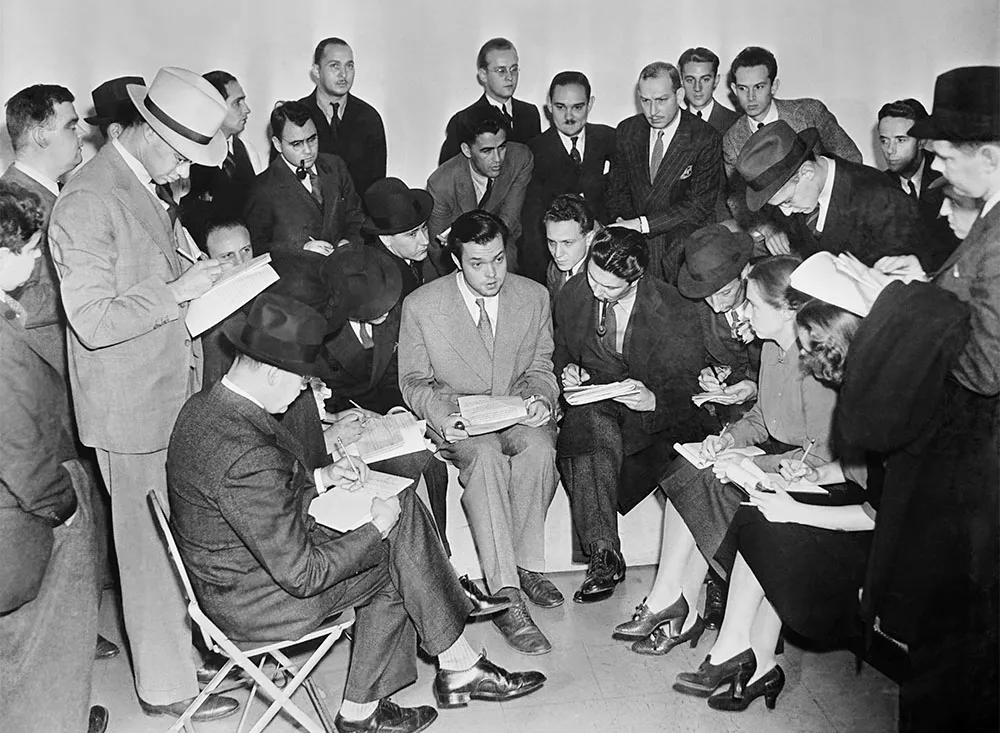
On October 30, 1938, Orson Welles' legendary radio broadcast of 'War of the Worlds' triggered unprecedented panic among millions of American listeners who genuinely believed Earth was under Martian invasion. In New Jersey areas specifically mentioned in the broadcast, property values experienced immediate temporary declines as terrified residents c...
Read More →
On October 30, 1975, New York City narrowly averted financial catastrophe when President Gerald Ford authorized crucial federal loan guarantees, preventing complete municipal bankruptcy that would have devastated the city's real estate market. The escalating financial crisis had threatened to halt all essential municipal services and construction p...
Read More →
No comments yet. Be the first to comment!