Foundation Stone of Pakistan Steel Mills
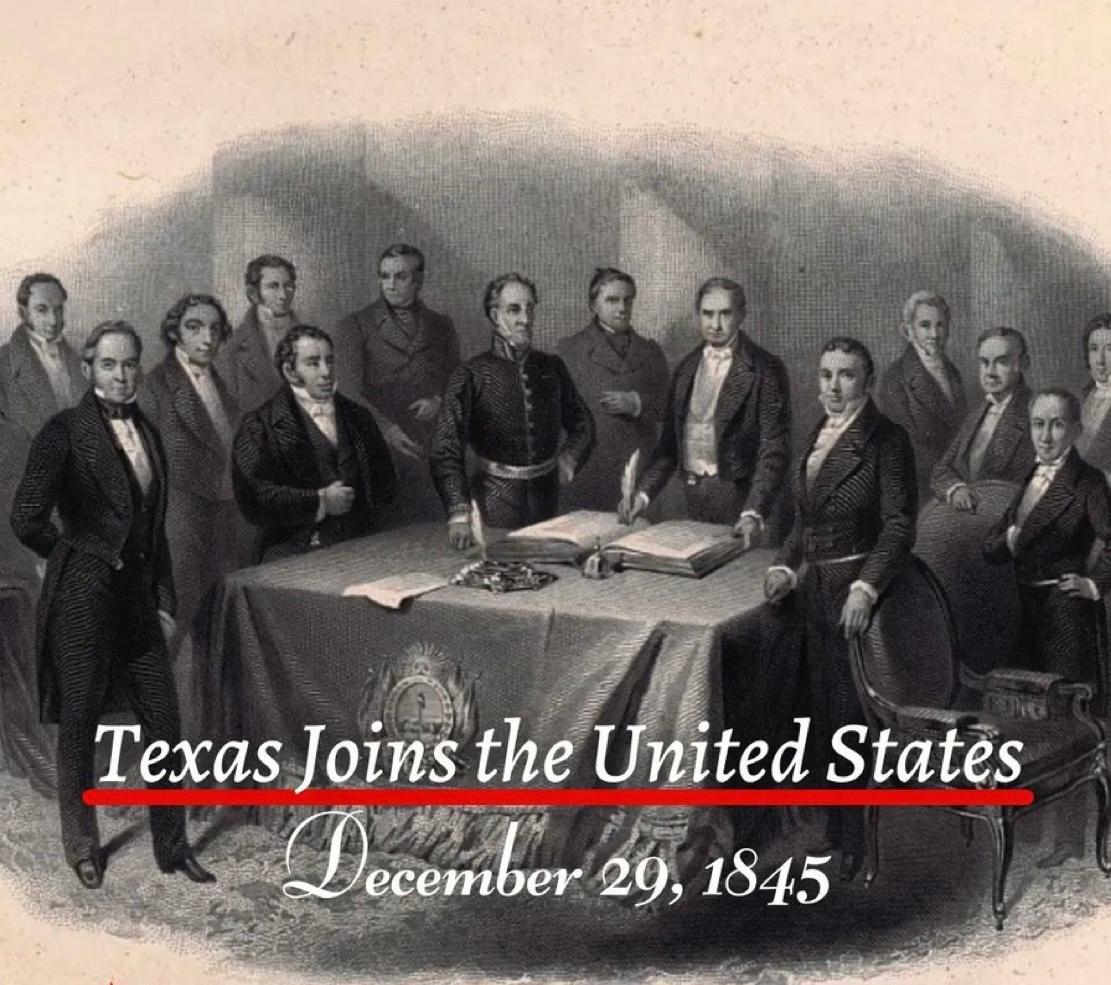
On 29 December 1845, Texas formally became the twenty eighth state of the United States. This event was not merely a political decision. It marked an extraordinary turning point in the global history of land ownership and real estate. As a result of this single day’s decision, approximately 259000 square miles, or nearly 695000 square kilometres, came under the jurisdiction of the American federal system.
Texas held a unique position because it had previously existed as an independent republic. The land was already settled. Agriculture was actively practised. Claims of private as well as communal ownership were firmly in place.
When Texas was annexed by the United States, all these lands were brought under the American constitutional and legal framework in a single moment. This transition reshaped land registration, land claims, agricultural ownership, and future urban planning within an entirely new framework influenced by American legal culture. Concepts of ownership, legal documentation, boundary demarcation, and patterns of urban expansion shifted from local traditions to align with the federal American system.
The historical importance of this annexation is further underscored by the fact that it represented the largest territorial addition ever gained through the admission of a sovereign state into the United States. At the time, the area exceeded that of several European countries and opened the path for the expansion of the American property market towards the southern and western regions. In subsequent decades, these lands formed the foundation for vast agricultural estates, railway networks, industrial centres, and newly established cities.
One of the most significant outcomes of Texas’s annexation for the United States was the acquisition of an extensive coastline, providing strong and direct access to the Gulf of Mexico.
This geographical transformation also produced a broader economic benefit for landlocked states. The development of ports along the Texas coast created new and more accessible routes for the agricultural and industrial output of inland regions to reach global markets. Over time, as expansive railway networks and integrated river systems connected these landlocked states to the Texas coastline, interior regions became part of the global trade system. In this way, the annexation of Texas emerged as a gradual yet profoundly significant milestone in the overall economic growth of the United States.
Read More >