
Syed Shayan Real Estate Archive
Syed Shayan Real Estate Archive
From Real Estate History
On November 2, 2015, world leaders and climate experts gathered in Paris to finalize the framework for the COP21 Climate Agreement, a landmark initiative aimed at limiting global temperature rise below 2°C. The conference represented a pivotal moment in global environmental policy, bringing together 196 nations to commit to emission reduction targets and sustainable development goals. Discussions revolved around carbon neutrality, renewable energy transition, and financial mechanisms to support developing countries. The event symbolized a turning point in collective environmental responsibility, emphasizing that sustainable growth was no longer optional but essential. The anticipation around COP21 reflected a growing global realization that environmental resilience and resource preservation are fundamental for long-term economic and human security.
▪ Reference(s):
2 نومبر 2015 کو دنیا بھر کے رہنما اور ماحولیاتی ماہرین پیرس میں جمع ہوئے تاکہ COP21 ماحولیاتی معاہدے کے فریم ورک کو حتمی شکل دی جا سکے۔ یہ معاہدہ عالمی درجہ حرارت میں 2 ڈگری سیلسیس سے کم اضافے کو یقینی بنانے کے لیے ایک تاریخی اقدام تھا۔ کانفرنس میں 196 ممالک نے اخراج میں کمی، قابلِ تجدید توانائی کے فروغ، اور ترقی پذیر ممالک کے لیے مالی معاونت کے نظام پر اتفاق کیا۔ یہ موقع عالمی ماحولیاتی ذمہ داری کے ایک نئے دور کی علامت بن گیا جس میں پائیدار ترقی کو انسانی بقا اور اقتصادی استحکام کے لیے ناگزیر تسلیم کیا گیا۔
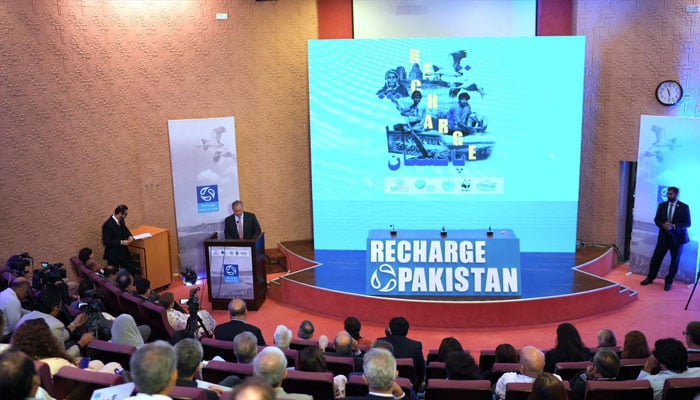
On November 2, 2021, Pakistan’s Ministry of Climate Change launched the ‘Recharge Pakistan’ project in collaboration with the World Bank and the Green Climate Fund. The initiative aimed to enhance water resilience by restoring wetlands, improving groundwater recharge, and managing floodwaters more sustainably. With nearly 90% of Pakistan’s freshwater consumed in agriculture, the project introduced innovative irrigation management and rainwater harvesting systems. It focused on vulnerable regions such as Sindh, Balochistan, and Southern Punjab, where communities face extreme water stress. ‘Recharge Pakistan’ represented a shift from crisis management to climate adaptation, emphasizing local empowerment and long-term sustainability for future generations.
▪ Reference(s):
2 نومبر 2021 کو وزارتِ موسمیاتی تبدیلی نے ورلڈ بینک اور گرین کلائمیٹ فنڈ کے تعاون سے 'ریچارج پاکستان' منصوبے کا آغاز کیا۔ اس منصوبے کا مقصد زیرِ زمین پانی کے ذخائر کو بحال کرنا، دلدلی علاقوں کو محفوظ بنانا، اور سیلابی پانی کے بہتر استعمال کے ذریعے پانی کی پائیدار فراہمی کو یقینی بنانا تھا۔ پاکستان کے تقریباً 90 فیصد میٹھے پانی کا استعمال زراعت میں ہوتا ہے، اس لیے منصوبے نے بارش کے پانی کے ذخیرے اور جدید آبپاشی کے طریقوں پر توجہ دی۔ یہ منصوبہ سندھ، بلوچستان اور جنوبی پنجاب جیسے علاقوں میں آبی قلت کے خطرے سے دوچار کمیونٹیز کے لیے امید کی نئی کرن ثابت ہوا۔

On October 26, 2018, blockchain technology began transforming real estate transactions through pilot programs testing property tokenization and smart contracts. This innovation promised to revolutionize property ownership transfers, title management, and transaction recording by creating immutable, transparent digital ledgers. Early adopters explor...
Read More →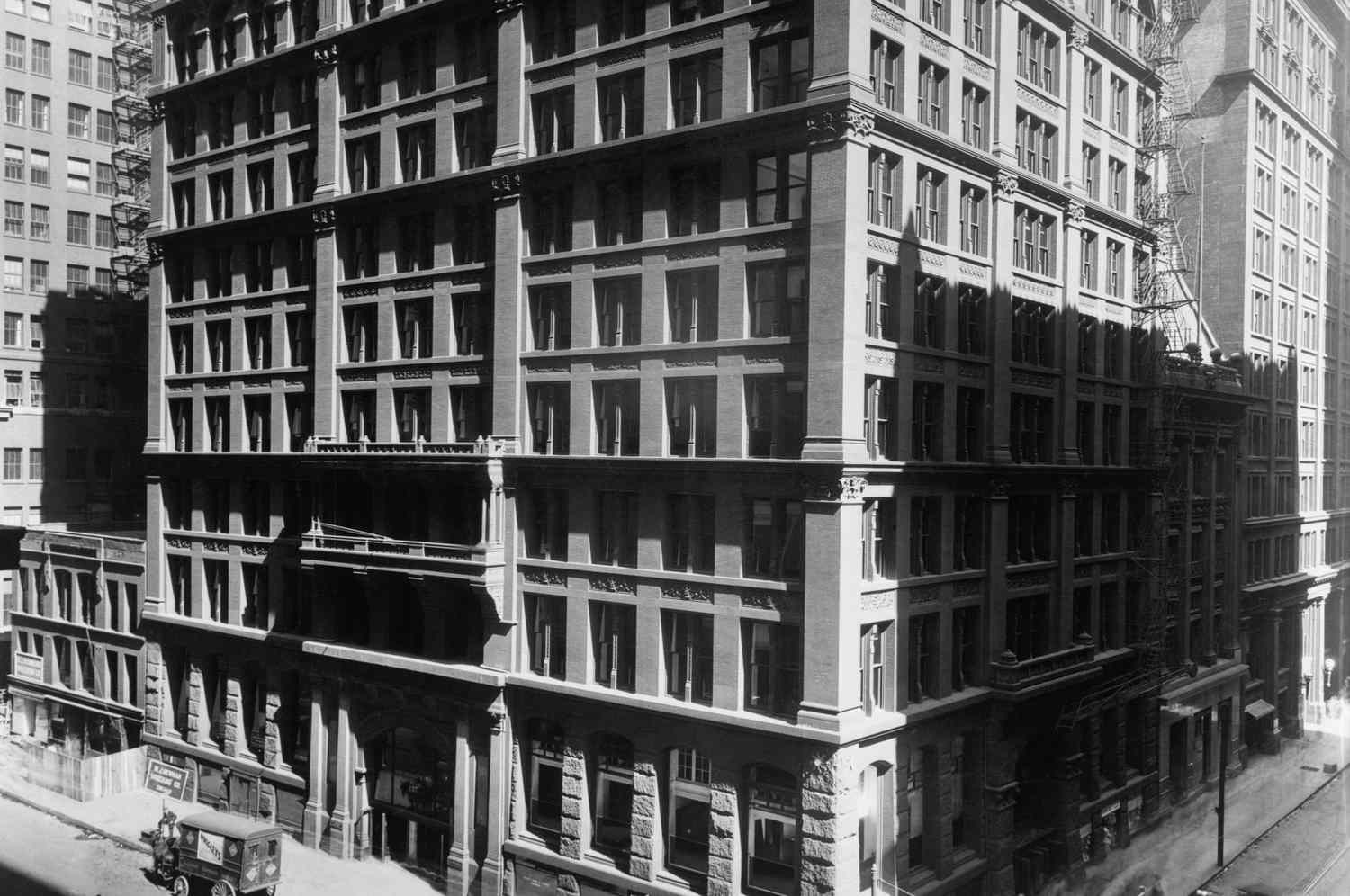
On October 19, 1895, the construction industry witnessed a revolutionary transformation with the widespread adoption of steel-frame technology for skyscrapers. This innovation enabled buildings to reach unprecedented heights, fundamentally changing urban landscapes across major cities. The Home Insurance Building in Chicago, completed earlier that ...
Read More →On October 27, 2022, Pakistan achieved a major milestone in property registration digitalization, significantly reducing processing times and enhancing transaction transparency. The comprehensive digital transformation included online property registration, electronic document verification, and blockchain-based title management systems. This modern...
Read More →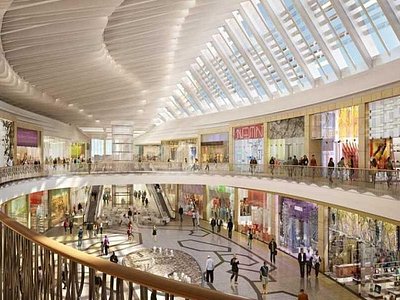
On October 19, 1956, the modern shopping mall era began with the opening of the first fully enclosed regional shopping center, fundamentally transforming retail real estate and consumer behavior. This innovative commercial development featured climate-controlled environments, ample parking, and multiple anchor stores surrounded by smaller retail ou...
Read More →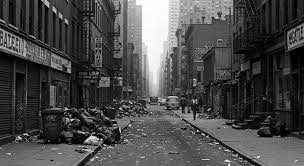
On October 30, 1975, New York City narrowly averted financial catastrophe when President Gerald Ford authorized crucial federal loan guarantees, preventing complete municipal bankruptcy that would have devastated the city's real estate market. The escalating financial crisis had threatened to halt all essential municipal services and construction p...
Read More →
nice