
Syed Shayan Real Estate Archive
Syed Shayan Real Estate Archive
From Real Estate History
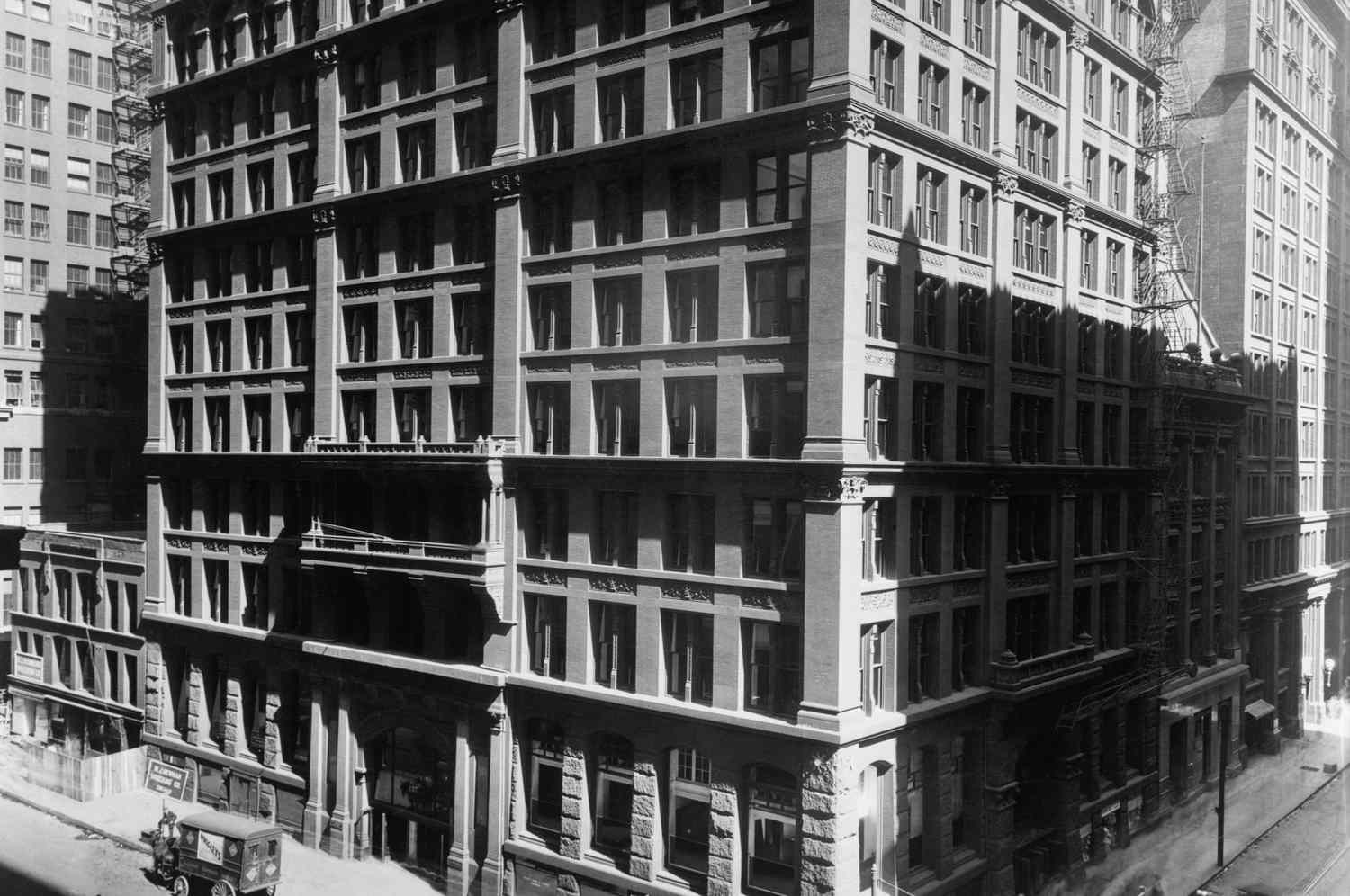
On October 19, 1895, the construction industry witnessed a revolutionary transformation with the widespread adoption of steel-frame technology for skyscrapers. This innovation enabled buildings to reach unprecedented heights, fundamentally changing urban landscapes across major cities. The Home Insurance Building in Chicago, completed earlier that decade, had demonstrated the potential of steel skeletons, but by 1895 the technology became standard for commercial structures. This construction revolution allowed cities to grow vertically rather than horizontally, creating the modern skylines we recognize today while establishing new standards for urban development and commercial real estate construction methodologies.
▪ Reference(s):
19 اکتوبر 1895 کو تعمیراتی صنعت نے ایک انقلابی دور میں قدم رکھا جب آسمان چھوتی عمارتوں کے لیے اسٹیل فریم ٹیکنالوجی کو بڑے پیمانے پر اپنایا گیا۔ اس جدت نے تعمیرات اور انجینئرنگ کے روایتی طریقوں کو مکمل طور پر بدل دیا، جس سے عمارتیں پہلے سے کہیں زیادہ بلند تعمیر کی جانے لگیں۔ شکاگو میں اس دہائی کے آغاز میں مکمل ہونے والی “ہوم انشورنس بلڈنگ” نے اسٹیل فریم ڈھانچے کی مضبوطی اور لچک کو ثابت کیا۔ 1895 تک یہ طریقہ کار نیویارک، شکاگو اور لندن جیسے بڑے شہروں میں تجارتی و بلند عمارتوں کے لیے ایک معیار بن چکا تھا۔ اس انقلاب نے شہری مناظر کو بدل دیا، شہروں کو افقی کے بجائے عمودی سمت میں ترقی کرنے کا موقع دیا، اور شہری منصوبہ بندی، عمارتوں کی سلامتی، اور رئیل اسٹیٹ کے جدید طریقوں کے لیے نئے اصول قائم کیے۔ بالآخر، اسٹیل فریم ٹیکنالوجی نے جدید تہذیب کی پہچان بننے والے عظیم الشان اسکائی لائنز کی بنیاد رکھی۔
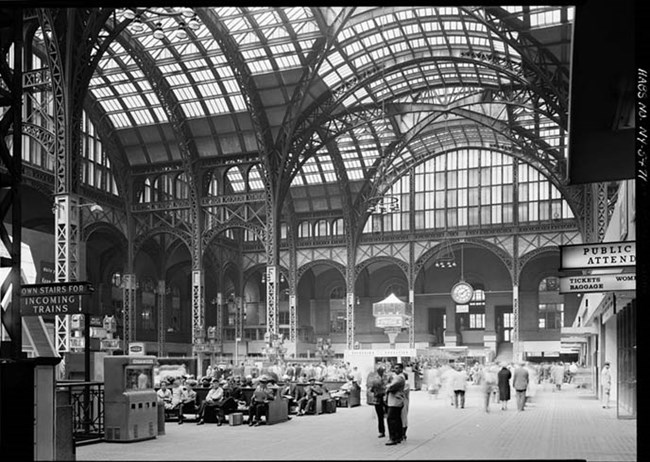
On October 19, 1923, landmark legislation for historic building preservation was enacted, creating the first comprehensive framework for protecting architecturally significant structures from demolition or inappropriate modification. This legal development emerged as rapid urbanization threatened centuries-old buildings with cultural and historical importance. The laws established criteria for designating historic properties, created preservation boards with authority to review proposed changes, and provided tax incentives for proper maintenance of designated structures. This legislative framework became the model for historic preservation efforts worldwide, balancing urban development needs with cultural heritage conservation.
▪ Reference(s):
19 اکتوبر 1923 کو تاریخی عمارتوں کے تحفظ کے لیے ایک سنگِ میل قانون منظور کیا گیا، جس نے ثقافتی اور تعمیراتی ورثے کے تحفظ میں ایک نئے دور کا آغاز کیا۔ اس قانون نے پہلی بار ایک جامع فریم ورک قائم کیا جس کا مقصد تاریخی اور فنِ تعمیر کے لحاظ سے اہم عمارتوں کو انہدام، غفلت یا ناموزوں تبدیلیوں سے بچانا تھا۔ تیزی سے بڑھتی ہوئی شہری ترقی اور صنعتی پھیلاؤ کے باعث صدیوں پرانی عمارتیں خطرے سے دوچار تھیں، جنہیں بچانے کے لیے یہ اقدام ناگزیر بن گیا تھا۔ اس نظام کے تحت تاریخی عمارتوں کی نشاندہی کے لیے معیار طے کیے گئے، جبکہ مقامی تحفظاتی بورڈز کو مرمتی منصوبوں کے جائزے کا اختیار دیا گیا۔ مزید یہ کہ تاریخی عمارتوں کی دیکھ بھال کرنے والے مالکان کو ٹیکس میں رعایت اور بحالی کی مدد فراہم کی گئی۔ یہ قانون بعد میں دنیا بھر میں ورثے کے تحفظ کے لیے ایک نمونہ بنا، جس نے شہری ترقی اور ثقافتی ورثے کے تحفظ میں توازن پیدا کیا۔
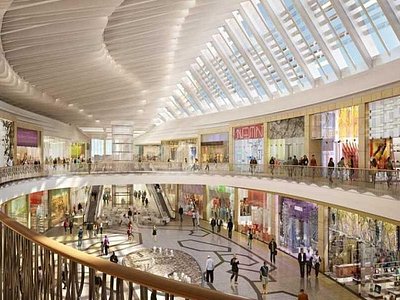
On October 19, 1956, the modern shopping mall era began with the opening of the first fully enclosed regional shopping center, fundamentally transforming retail real estate and consumer behavior. This innovative commercial development featured climate-controlled environments, ample parking, and multiple anchor stores surrounded by smaller retail outlets. The concept revolutionized how consumers shopped and socialized, creating new patterns of commercial development that prioritized automobile access and consolidated retail offerings. This opening marked the beginning of the suburban retail revolution that would dominate commercial real estate development for decades, reshaping urban and suburban landscapes across the globe.
▪ Reference(s):
19 اکتوبر 1956 کو جدید شاپنگ مال کے دور کا آغاز ہوا جب دنیا کا پہلا مکمل طور پر بند ریجنل شاپنگ سینٹر کھولا گیا، جس نے ریٹیل رئیل اسٹیٹ اور صارفین کے رویے کو بنیادی طور پر بدل دیا۔ یہ جدید تجارتی منصوبہ حرارت و ہوا کے کنٹرول والے ماحول، وسیع پارکنگ سہولتوں، اور بڑے اسٹورز کے ساتھ منسلک متعدد چھوٹے ریٹیل دکانوں پر مشتمل تھا۔ اس تصور نے خریداری اور میل جول کے انداز کو بدل کر رکھ دیا، کیونکہ صارفین کے لیے ایک ہی جگہ پر ہر چیز دستیاب ہونے لگی اور آٹوموبائل رسائی کو اولین ترجیح دی گئی۔ یہ افتتاح دراصل مضافاتی ریٹیل انقلاب کا آغاز تھا جس نے آنے والی کئی دہائیوں تک تجارتی رئیل اسٹیٹ کے ڈھانچے پر غلبہ حاصل کیا اور دنیا بھر کے شہری و مضافاتی مناظر کو نئی شکل دی۔

On October 23, 1892, comprehensive fire-resistant building code standards were enacted, establishing mandatory requirements for fireproof construction materials and safety features in urban buildings. These regulations emerged following devastating urban fires that had destroyed entire city blocks, prompting urgent reforms in construction practices...
Read More →
On October 23, 1937, the Public Works Administration launched its most ambitious housing construction program, initiating massive public housing projects across major urban centers. This New Deal initiative addressed both the critical housing shortage and widespread unemployment by constructing thousands of affordable housing units while creating c...
Read More →
On October 23, 1972, pioneering energy efficiency standards for commercial buildings were enacted, establishing the first comprehensive requirements for energy conservation in commercial construction. These regulations emerged during the energy crisis era, addressing growing concerns about resource conservation and building operating costs. The sta...
Read More →
On October 25, 1967, Pakistan introduced the Urban Development and Housing Reform Act, which marked a turning point in national city planning. The legislation established urban development authorities and zoning regulations for major cities like Karachi, Lahore, and Islamabad. It promoted structured urban growth, affordable housing, and better muni...
Read More →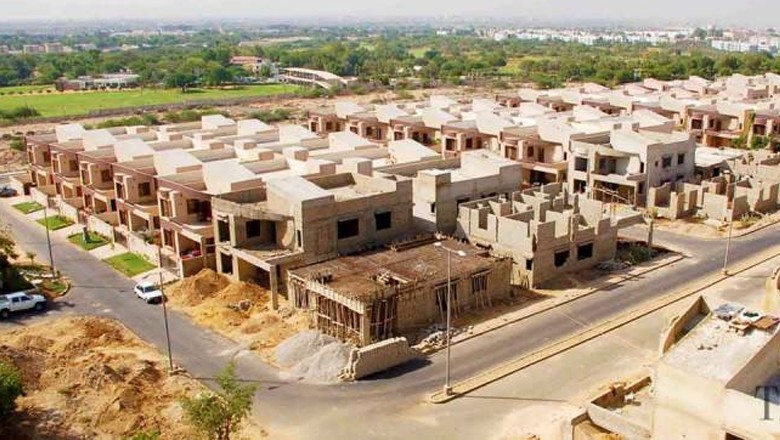
On October 30, 1980, Pakistan unveiled its groundbreaking first comprehensive national housing policy specifically designed to address the shelter needs of low-income families, representing a transformative shift in the country's approach to real estate development and urban planning. The pioneering policy established comprehensive frameworks for a...
Read More →
No comments yet. Be the first to comment!